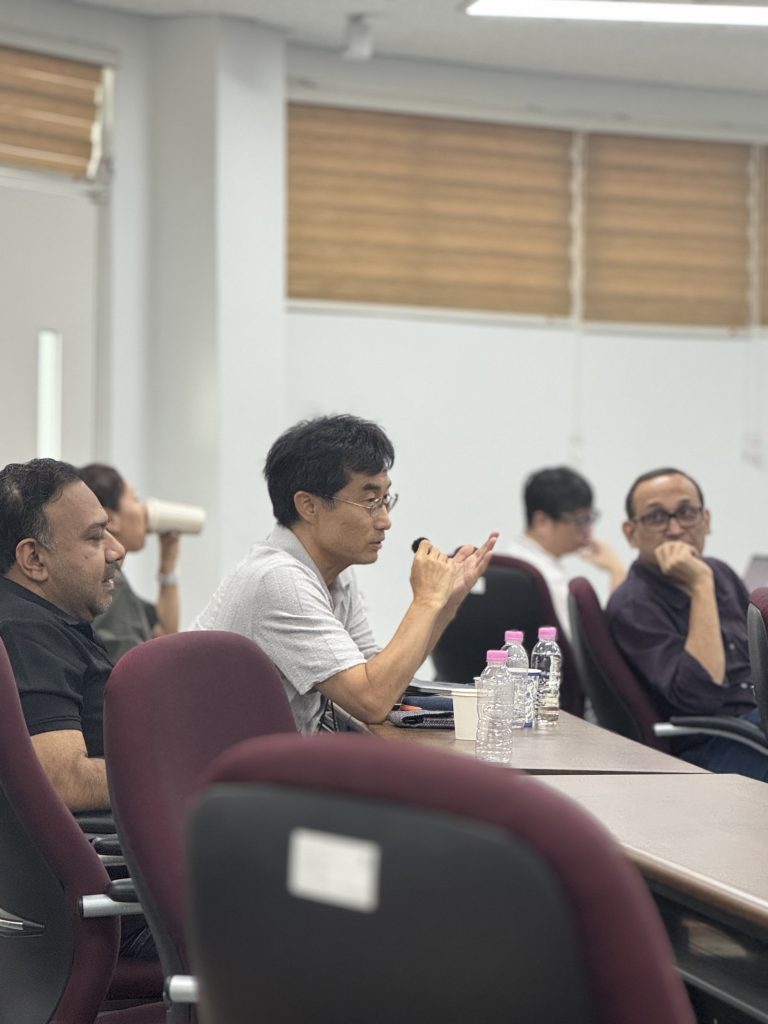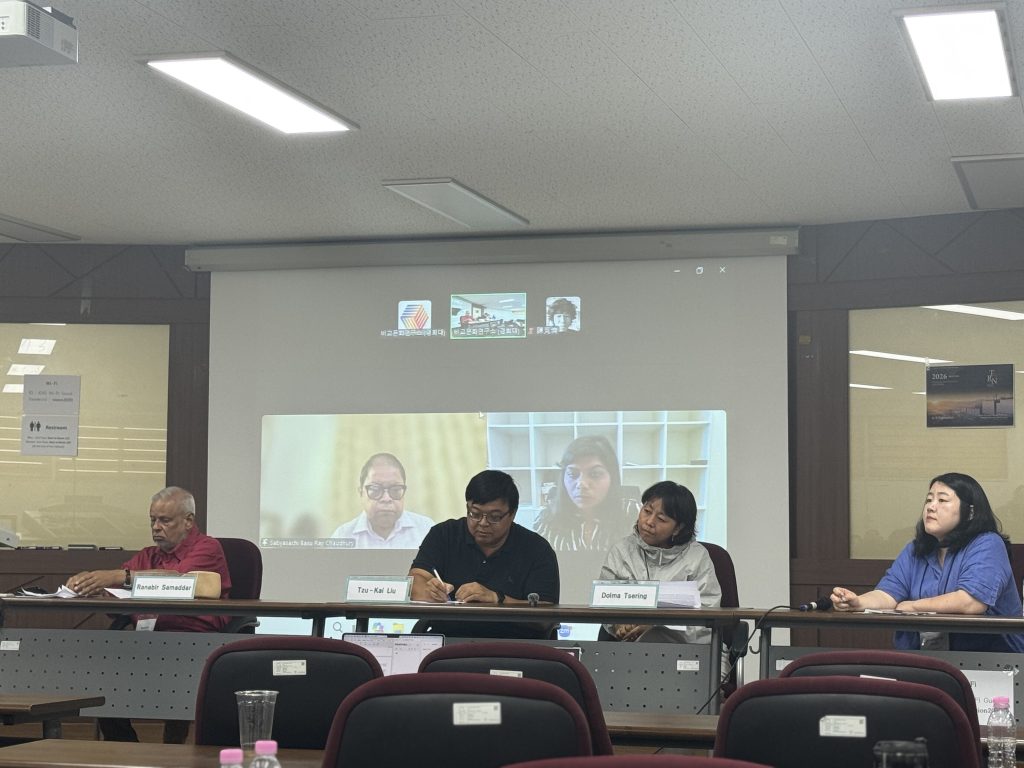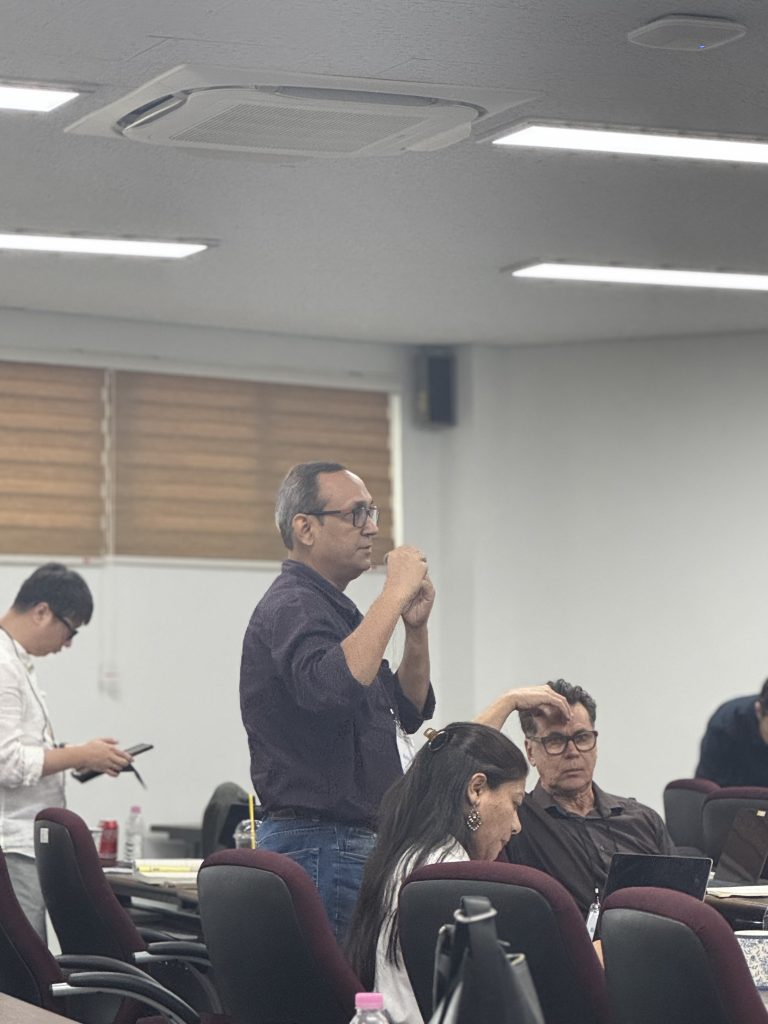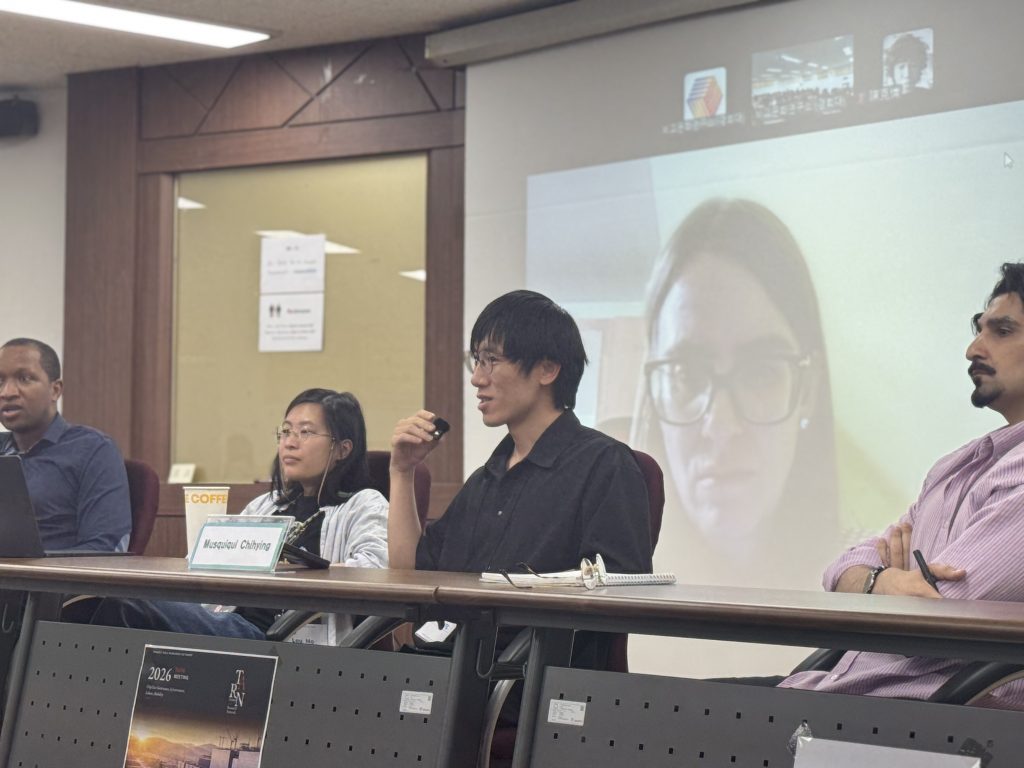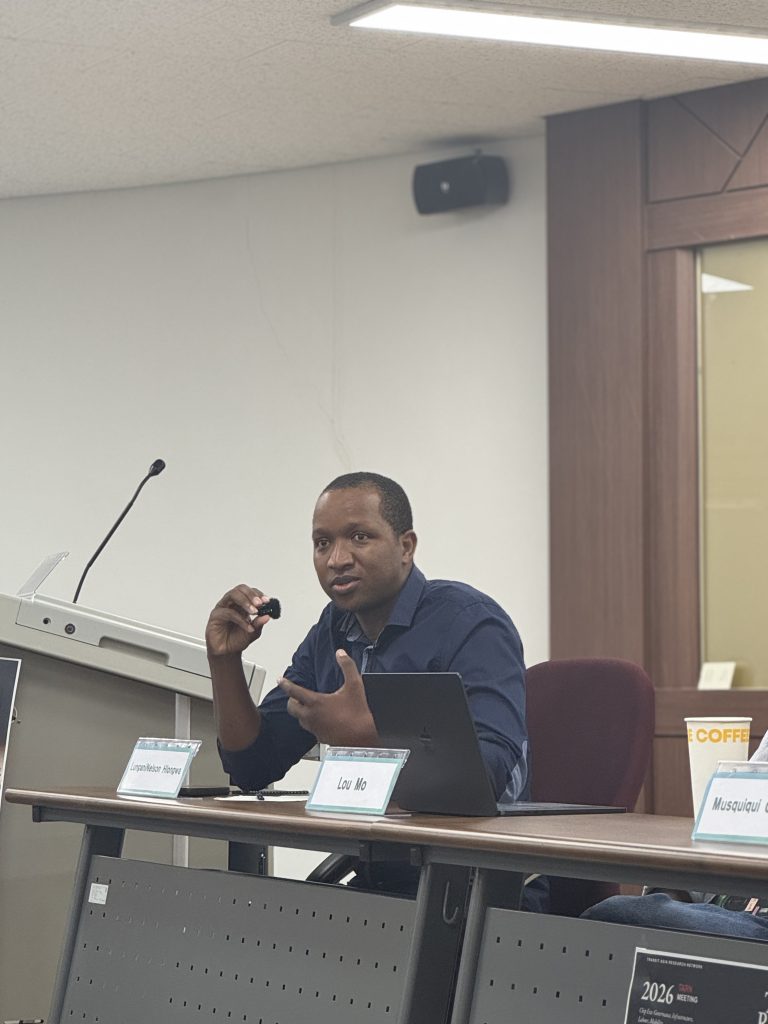
2026 TARN Meeting
Chip Era: Governance, Infrastructure, Labour, Mobility
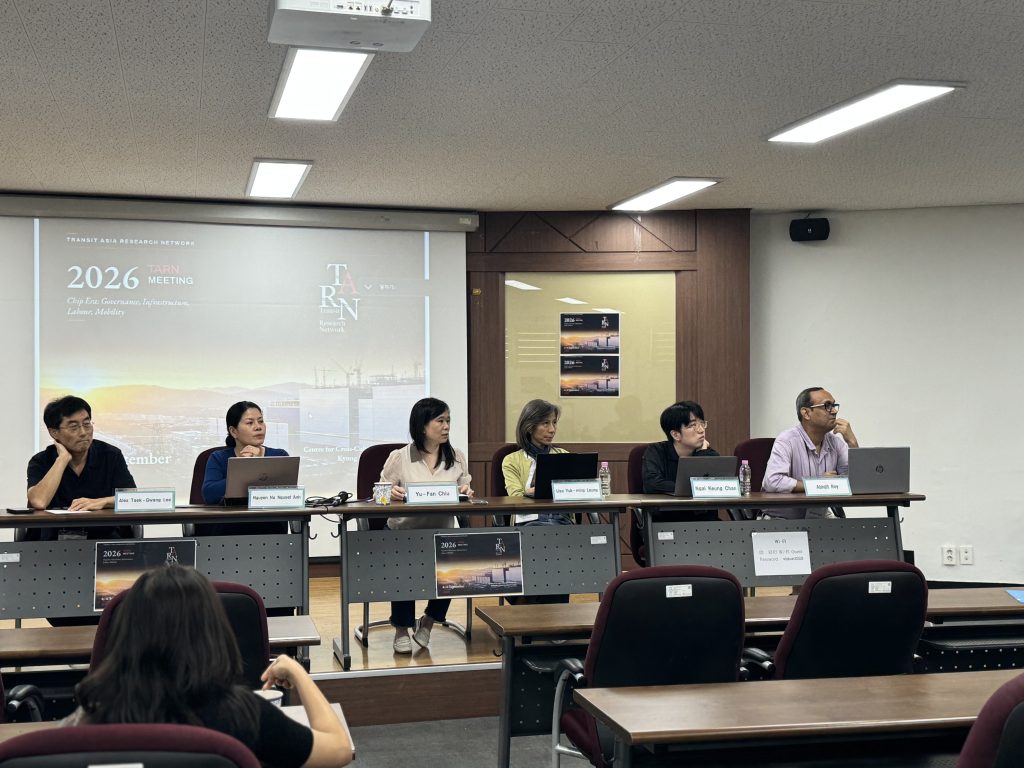
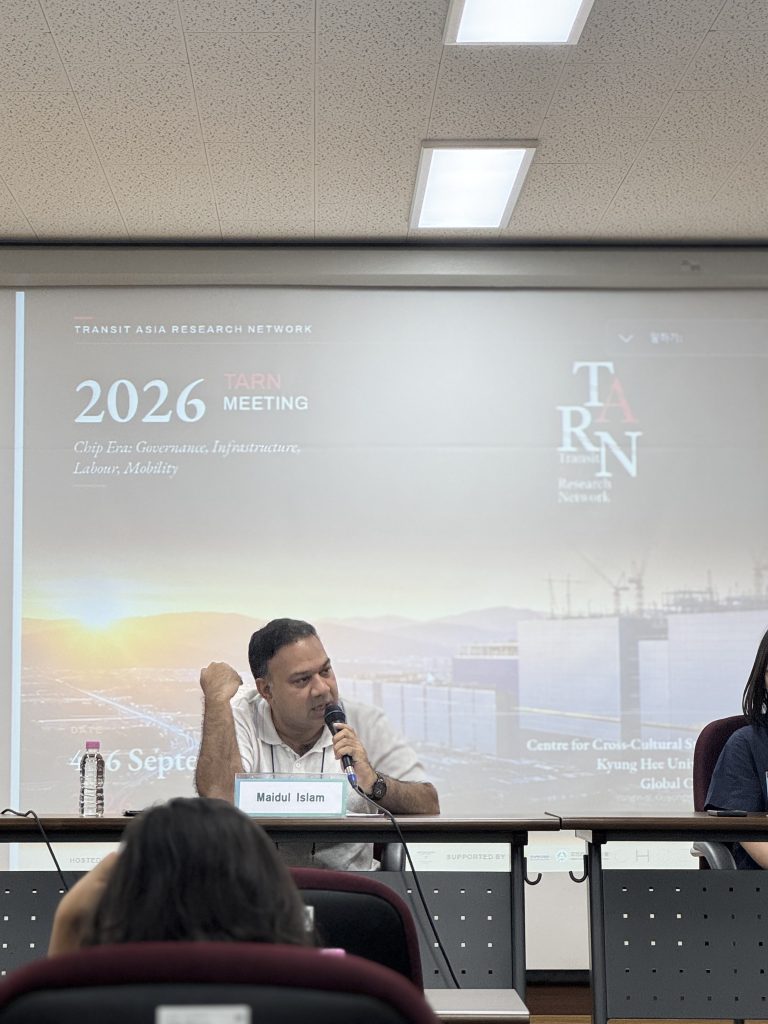
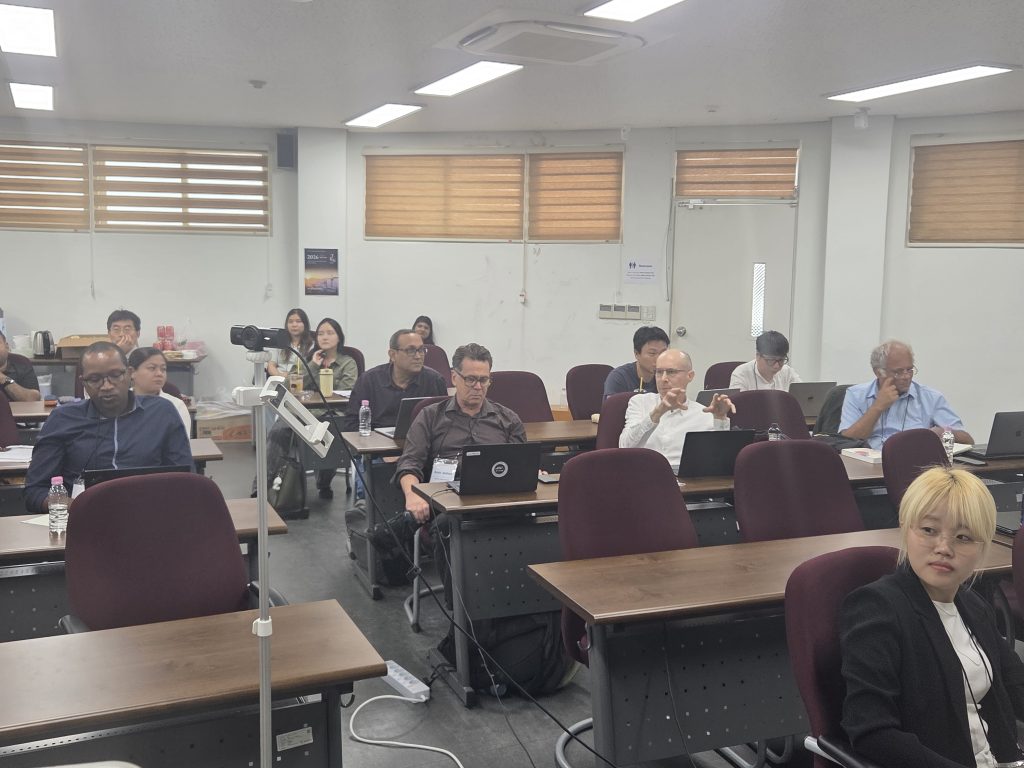
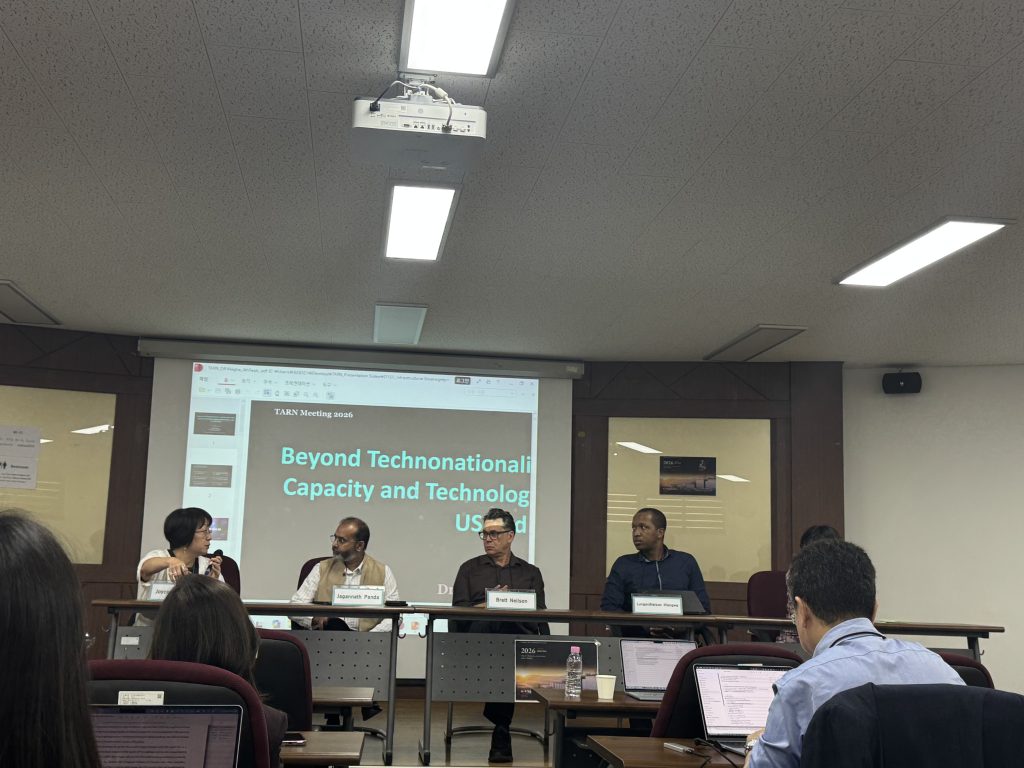
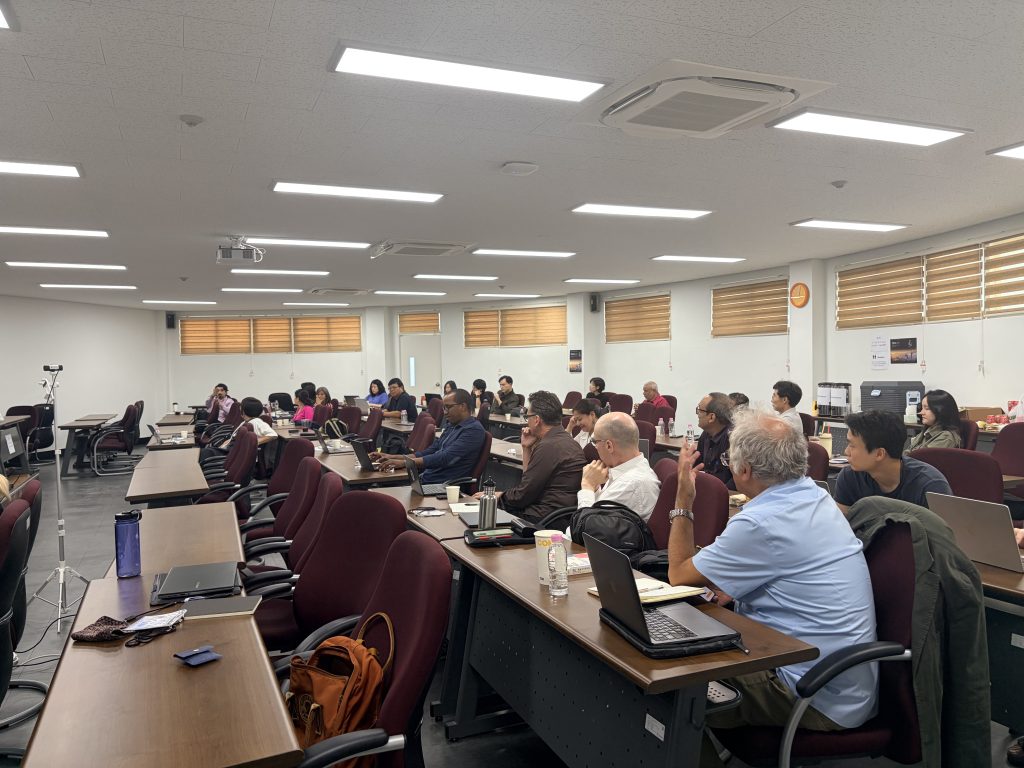
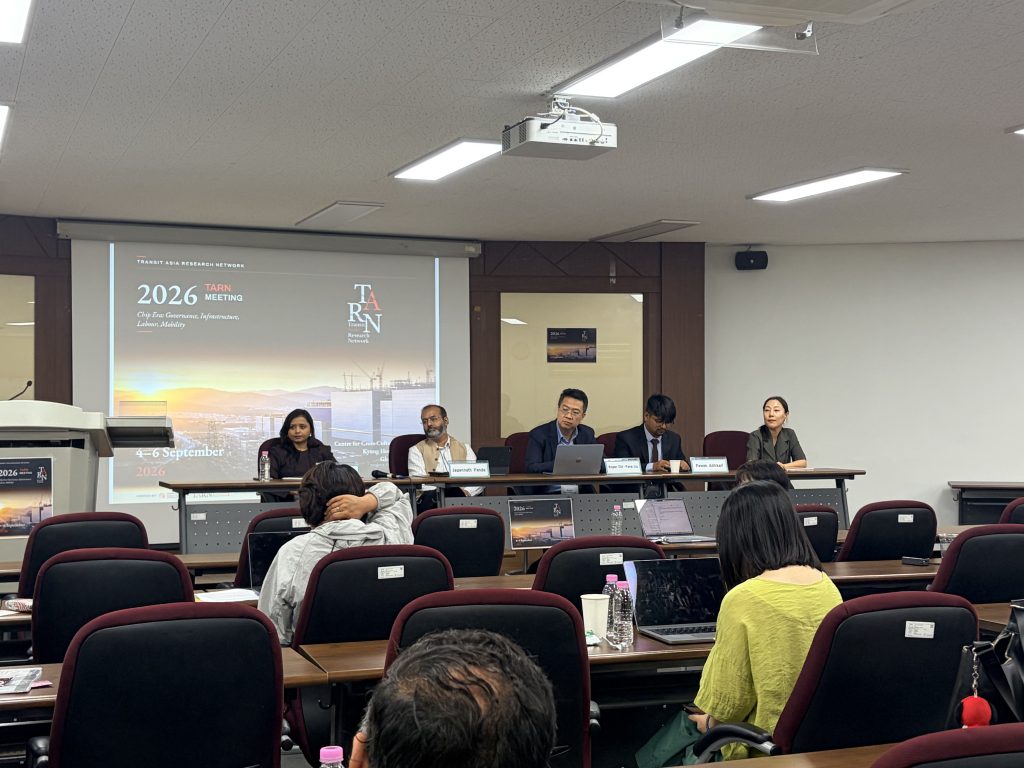
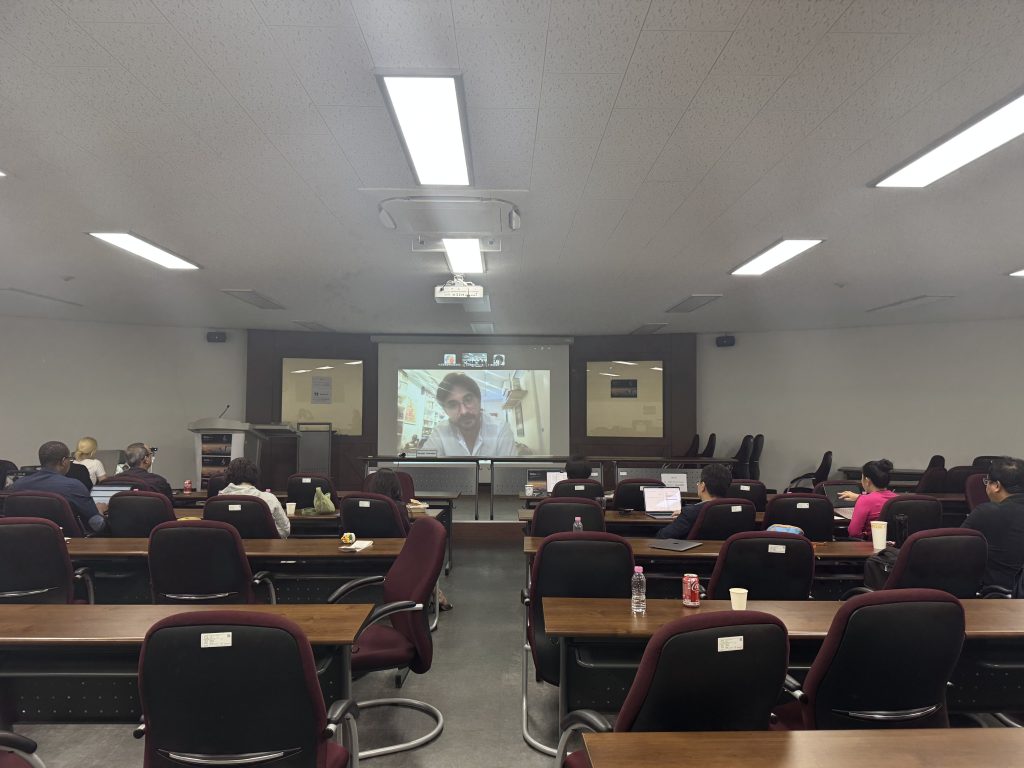
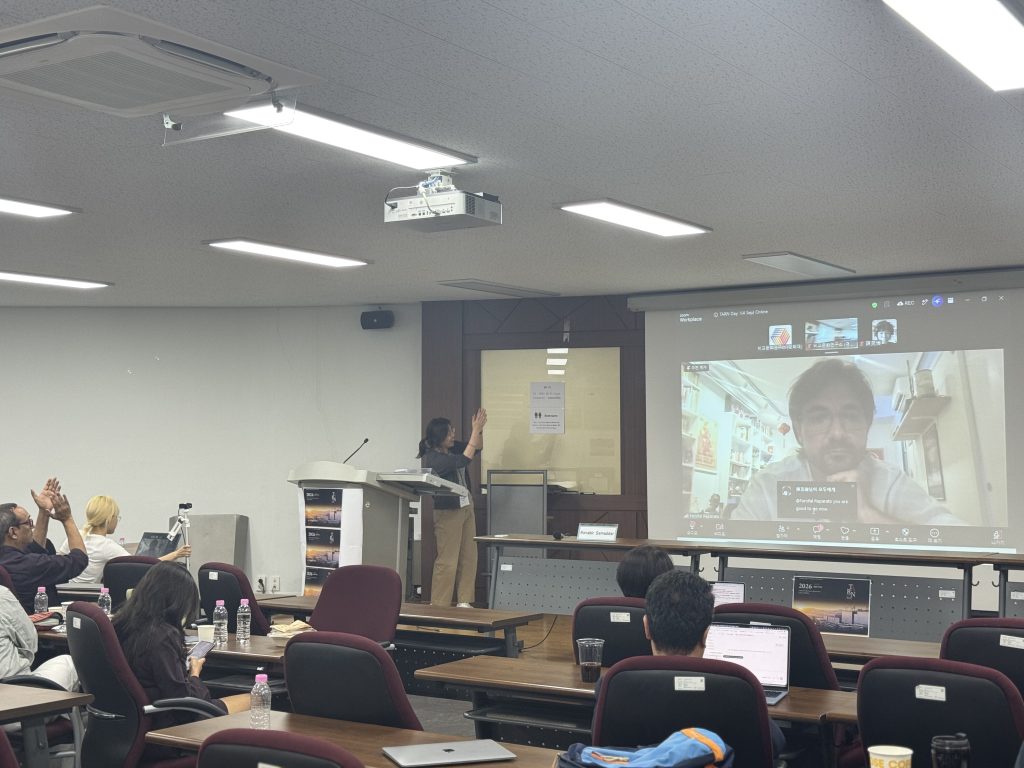
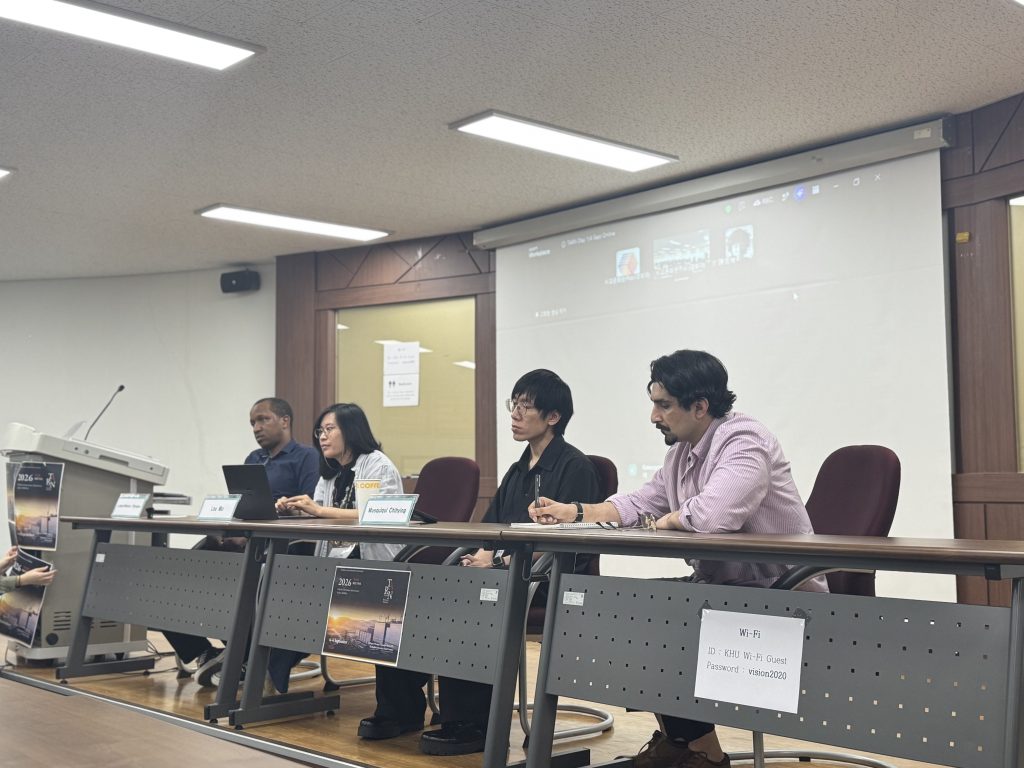
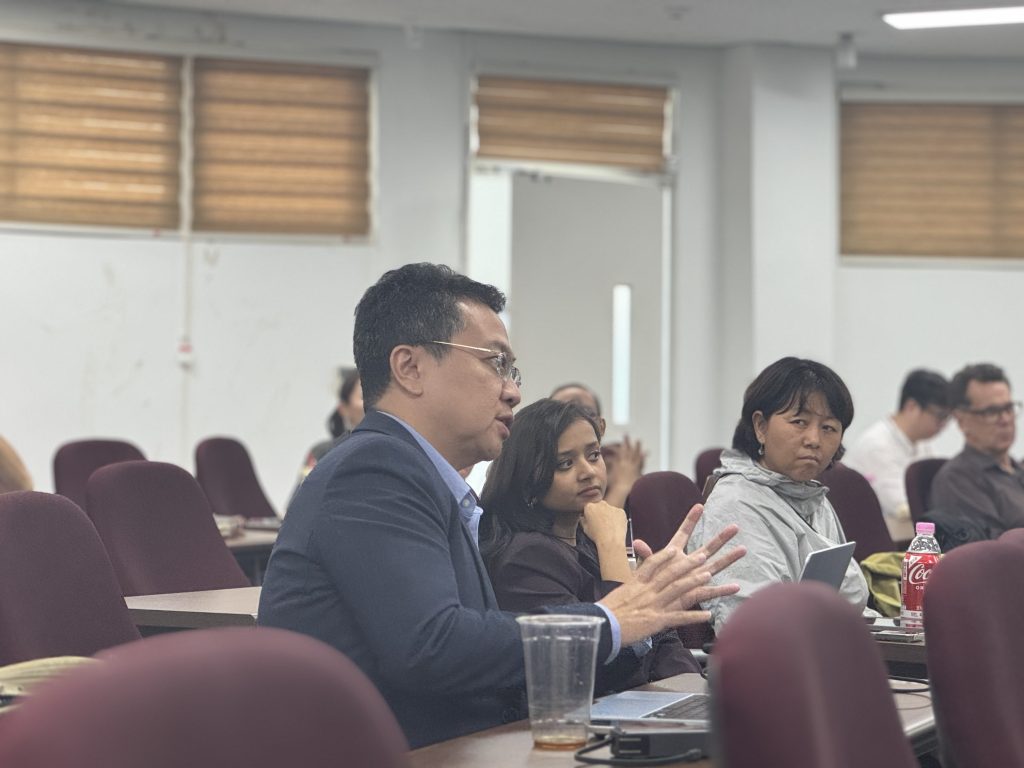
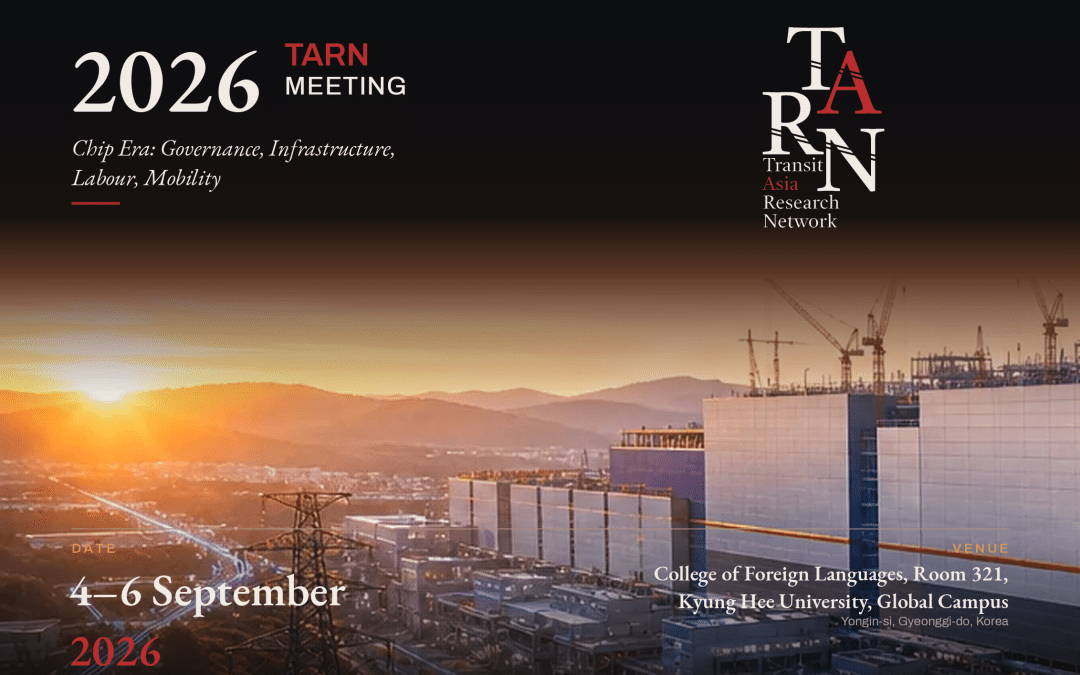
The 2026 TARN Meeting: Chip Era will be held from 4 to 6 September 2026 at the Global Campus, Kyung Hee University, Korea. Jointly organised by the Transit Asia Research Network (TARN), the Centre for Cross-Cultural Studies (CCCS), Kyung Hee University, and the International Center for Cultural Studies, National Yang Ming Chiao Tung University, the Meeting is conceived as a mid-term sharing and commenting session for a collaborative two-volume book project examining how semiconductors, as the foundation of digital infrastructures, are reshaping geopolitics, governance, labour, and capital in the twenty-first century.
Participants will present the progress of their respective chapters, with the collective aim of submitting full manuscripts by the end of 2026. The project comprises two volumes published under the Routledge Studies on Think Asia series.
The Book Project
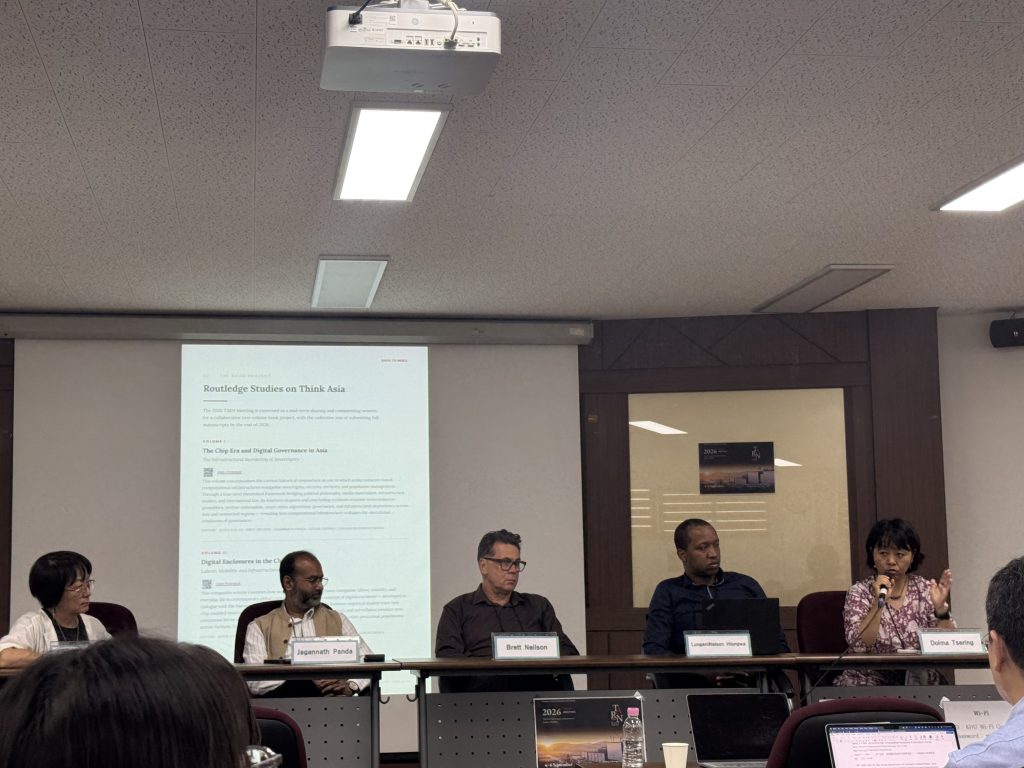
The 2026 TARN Meeting is convened as a mid-term sharing and commenting session for a collaborative two-volume book project, with the collective aim of submitting full manuscripts by the end of 2026.
The Chip Era and Digital Governance in Asia
The Infrastructural Reordering of Sovereignty
This volume conceptualises the current historical conjuncture as one in which semiconductor-based computational infrastructures reorganise sovereignty, security, territory, and population management. Through a four-level theoretical framework bridging political philosophy, media materialism, infrastructure studies, and international law, its fourteen chapters and concluding synthesis examine semiconductor geopolitics, techno-nationalism, smart cities, algorithmic governance, and infrastructural dependency across Asia and connected regions — revealing how computational infrastructure reshapes the operational conditions of governance.
Editors: Joyce C. H. Liu · Brett Neilson · Jagannath Panda · Dolma Tsering · Lungani Nelson Hlongwa
Digital Enclosures in the Chip Era
Labour, Mobility, and Infrastructural Precarity
This companion volume examines how semiconductor infrastructures reorganise labour, mobility, and everyday life in contemporary global capitalism. Centred on the concept of digital enclosure — developed in dialogue with the Marxist tradition of primitive accumulation — its fourteen empirical studies trace how chip-enabled systems of biometric identification, algorithmic management, and surveillance produce new, continuous forms of enclosure for migrants, refugees, platform workers, and other precarious populations across Vietnam, Taiwan, Hong Kong, India, Poland, Germany, and beyond.
Editors: Joyce C. H. Liu · Brett Neilson · Jagannath Panda · Dolma Tsering · Lungani Nelson Hlongwa
Full Programme
All plenary sessions take place in Room 321, College of Foreign Language and Literature Building, Kyung Hee University Global Campus, unless noted otherwise.
Opening Remarks
Joyce C. H. Liu — Professor/Director, ICCS, NYCU, Taiwan · Alex Taek-Gwang Lee — Professor/Director, CCCS, Kyung Hee University, Korea
Editorial Progress Report — Series Editorial Board
Joyce C. H. Liu · Brett Neilson · Jagannath Panda · Dolma Tsering · Lungani Nelson Hlongwa
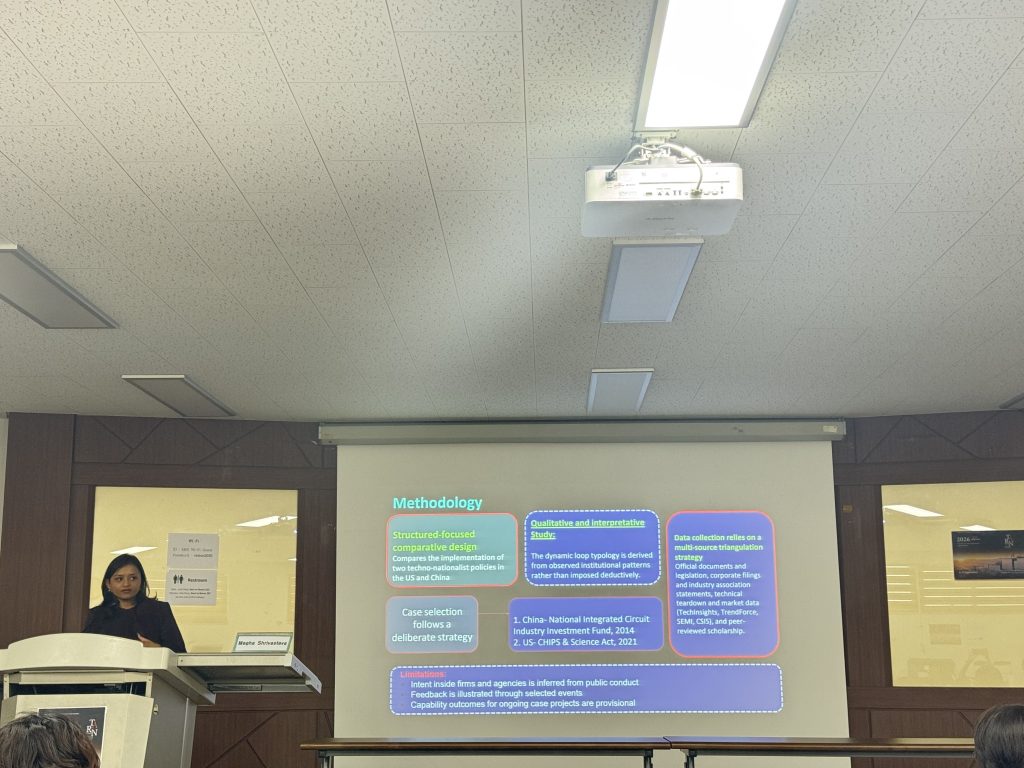
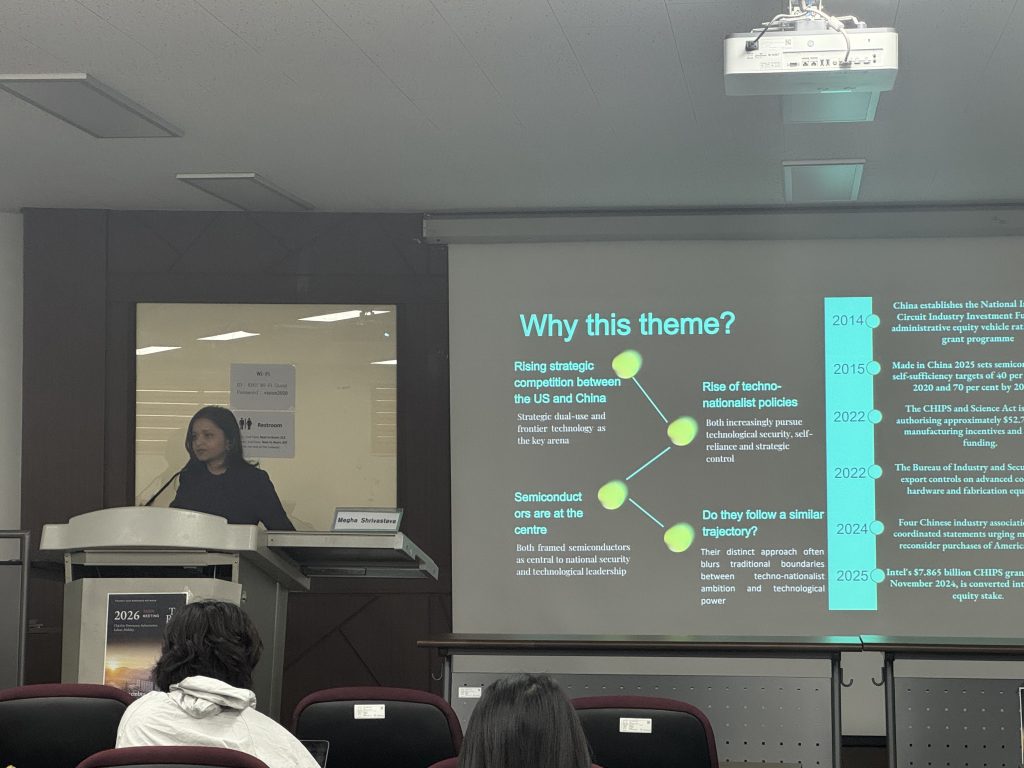
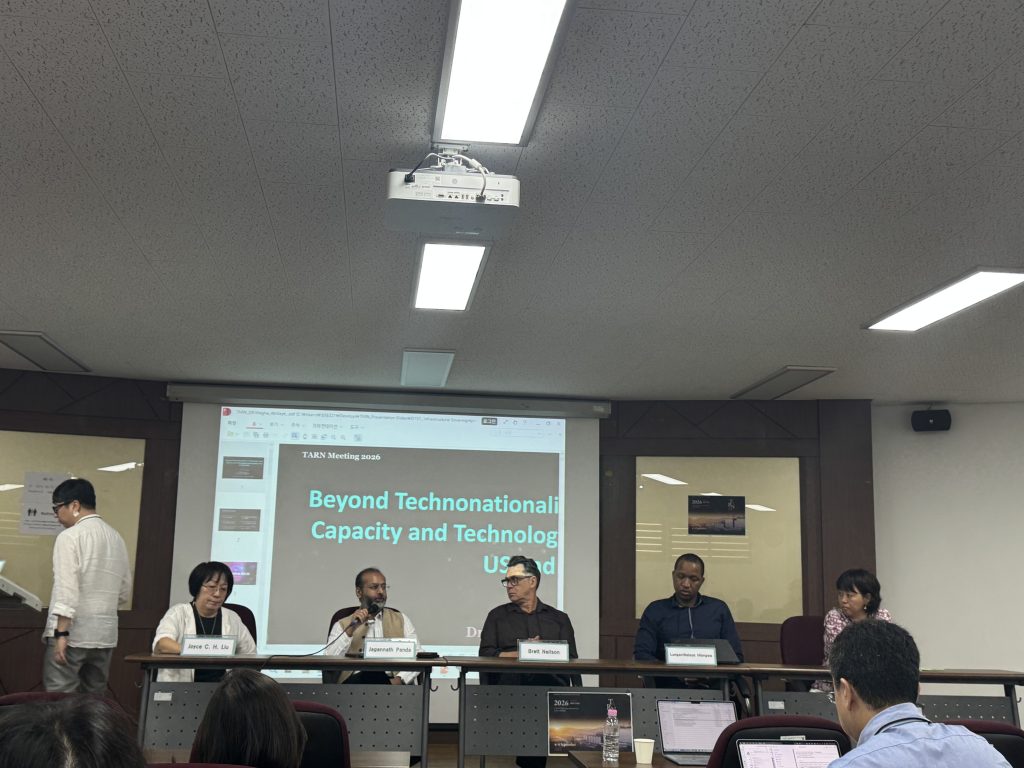
Beyond Techno-Nationalism: Comparative State Capacity and Technological Power in the United States and China
Megha Shrivastava — Assistant Professor, RV University, India
India and the Semiconductor Era: Shaping the Future of the Indo-Pacific Chip Order
Jagannath Panda — Professor/Head, SCSA-IPA, ISDP, Sweden
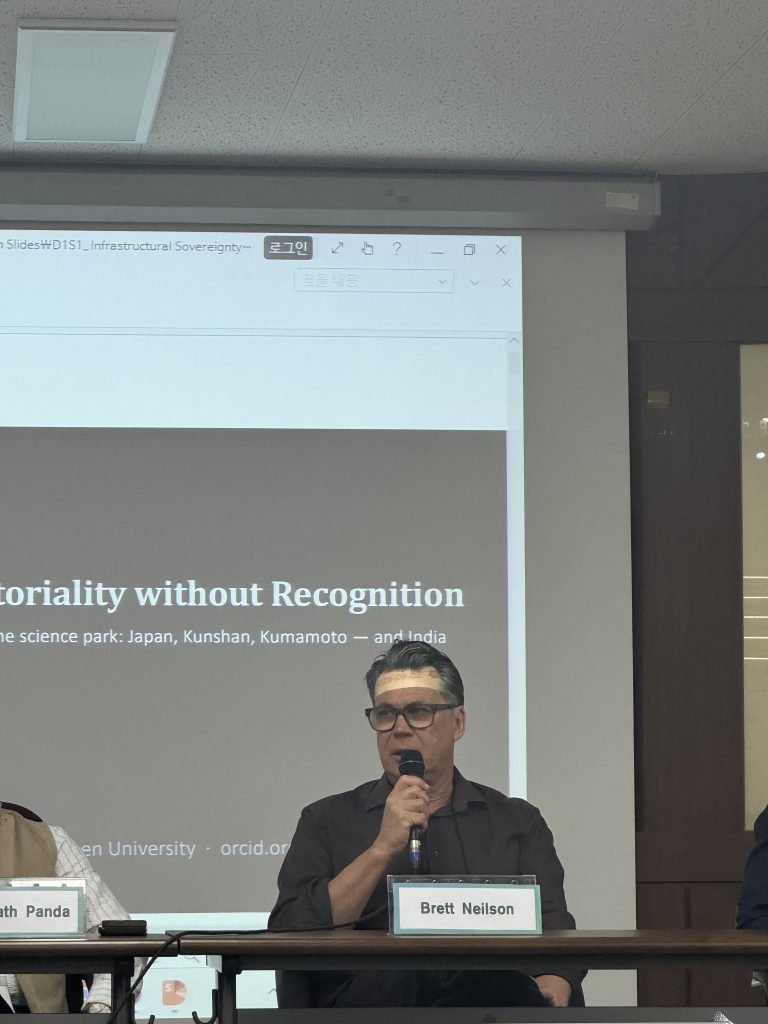
Techno-Territoriality without Recognition: Semiconductor Power and India–Taiwan Engagement
Roger Chi-Feng Liu — Assistant Professor, IMAPA, National Sun Yat-sen University, Taiwan
Restructuring Transnational Citizen Governance: The Role of Vietnam's National Digital Transformation Strategy and Administrative Reform in the 21st Century
Nguyen Thi Trang (online) — Lecturer, Thai Nguyen University of Education, Vietnam
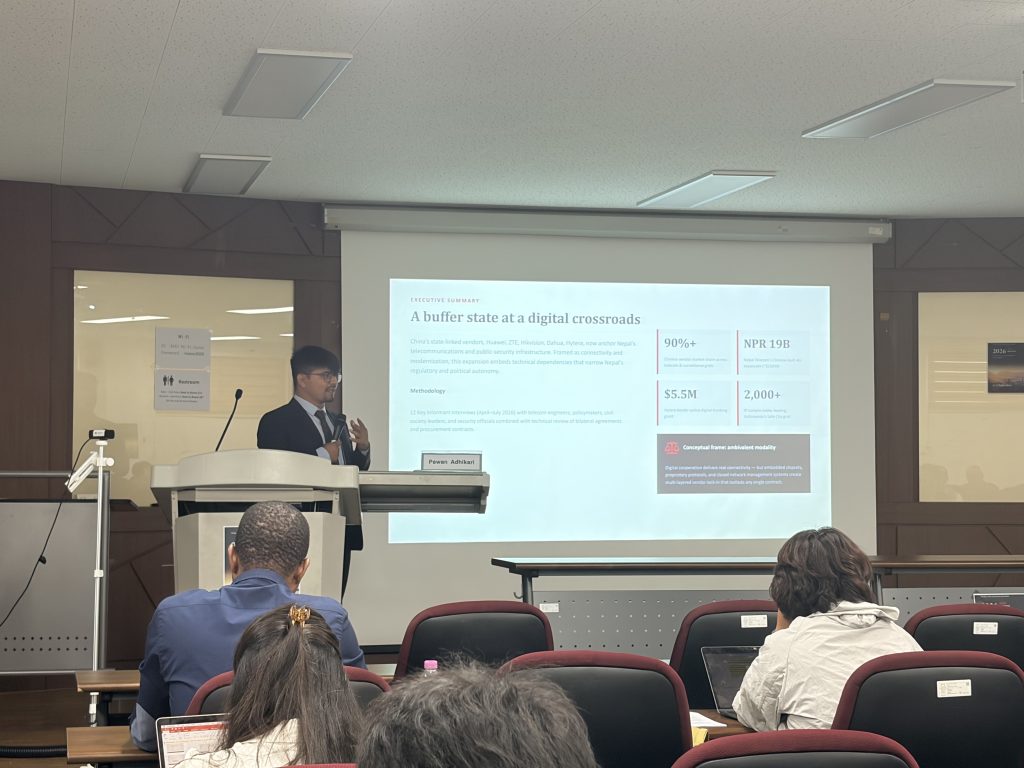
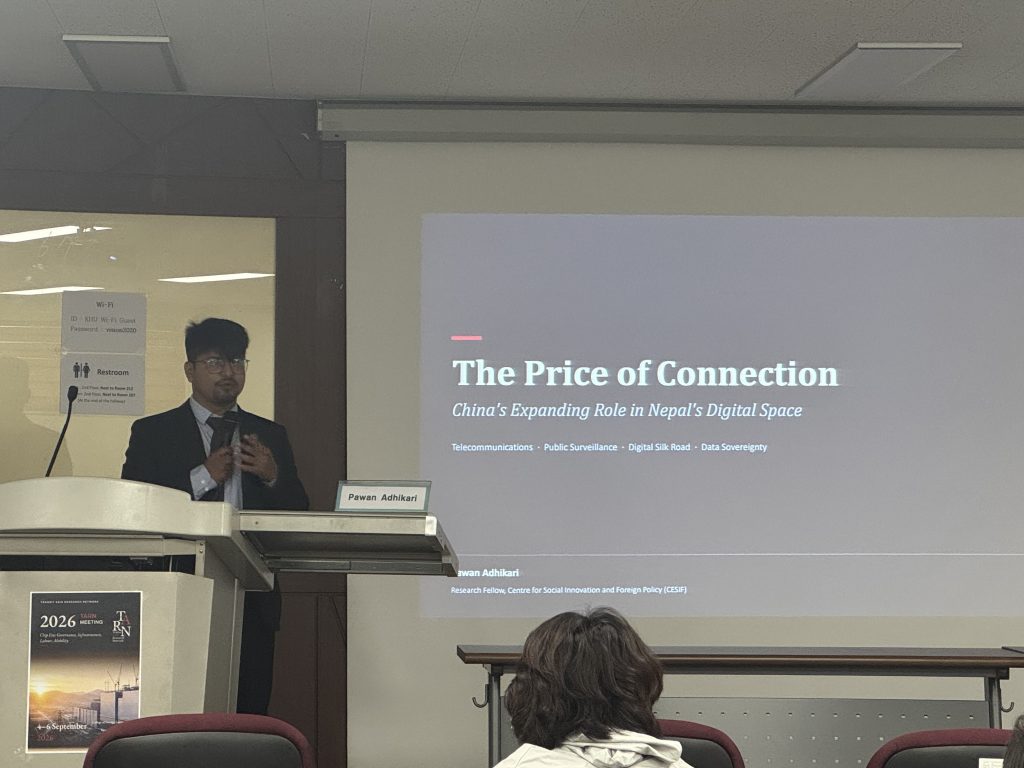
The Price of Connection: China's Expanding Role in Nepal's Digital Space
Pawan Adhikari — Research Fellow, CESIF, Nepal
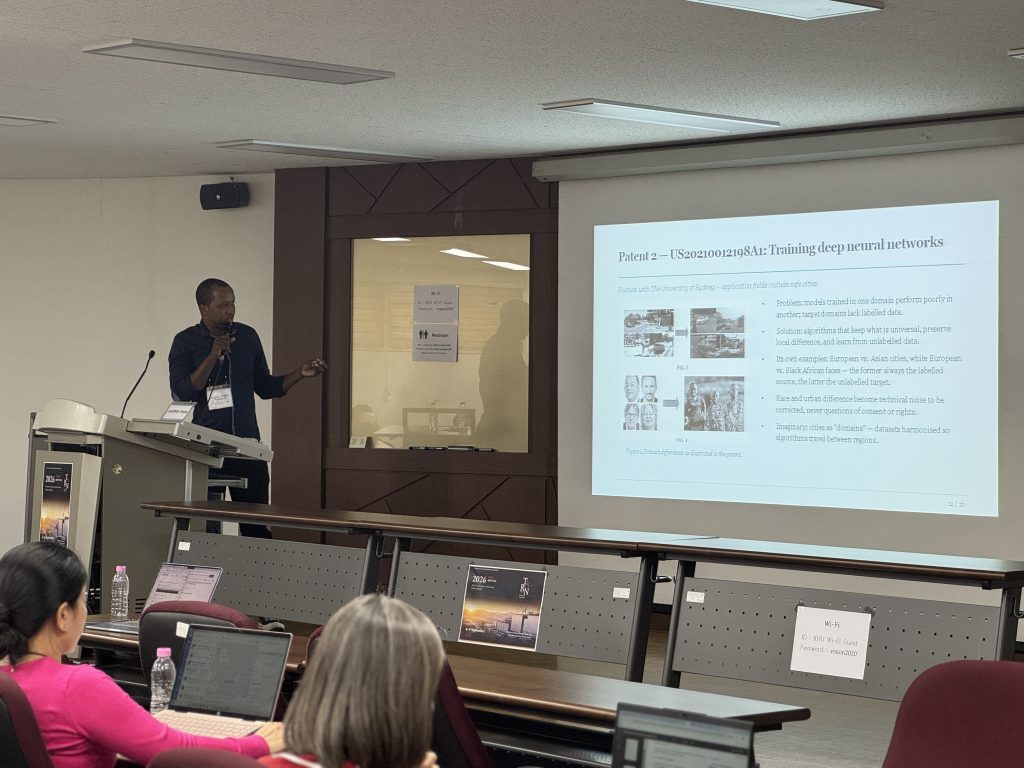
The Safe City as an Algorithmic Formation: Corporate Imaginaries and the Reordering of Urban Governance in Africa
Lungani Nelson Hlongwa — Postdoctoral Fellow, ICCS, NYCU, Taiwan
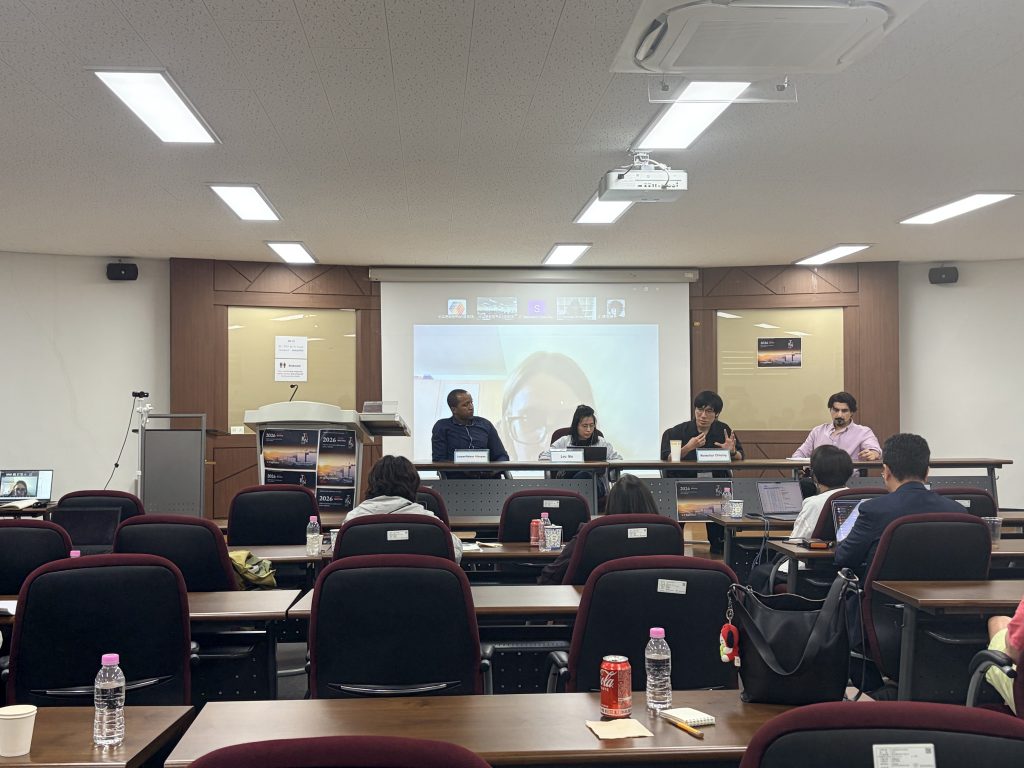
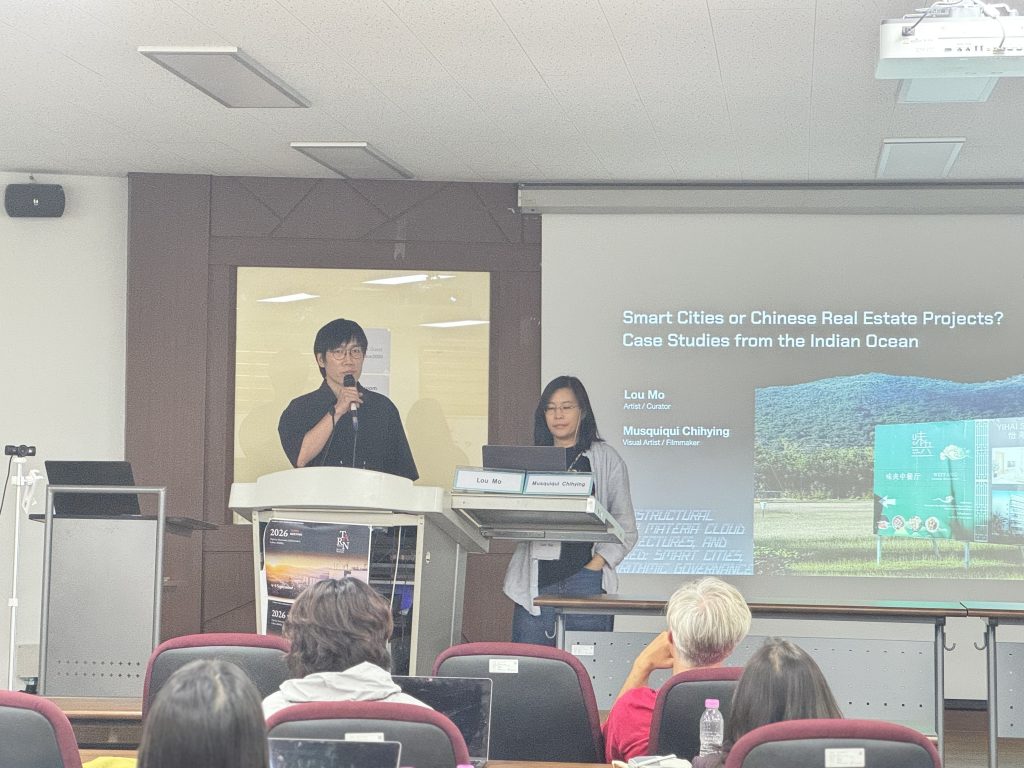
Smart Cities or Chinese Real Estate Projects? Case Studies from the Indian Ocean
Lou Mo — Artist/Curator · Musquiqui Chihying — Visual Artist/Filmmaker
Digital Information Manipulation and Central and Eastern Europe at the Centre of International Digital Expansion
Katarzyna Szpargała (online) — PhD, SRCS, NYCU, Taiwan
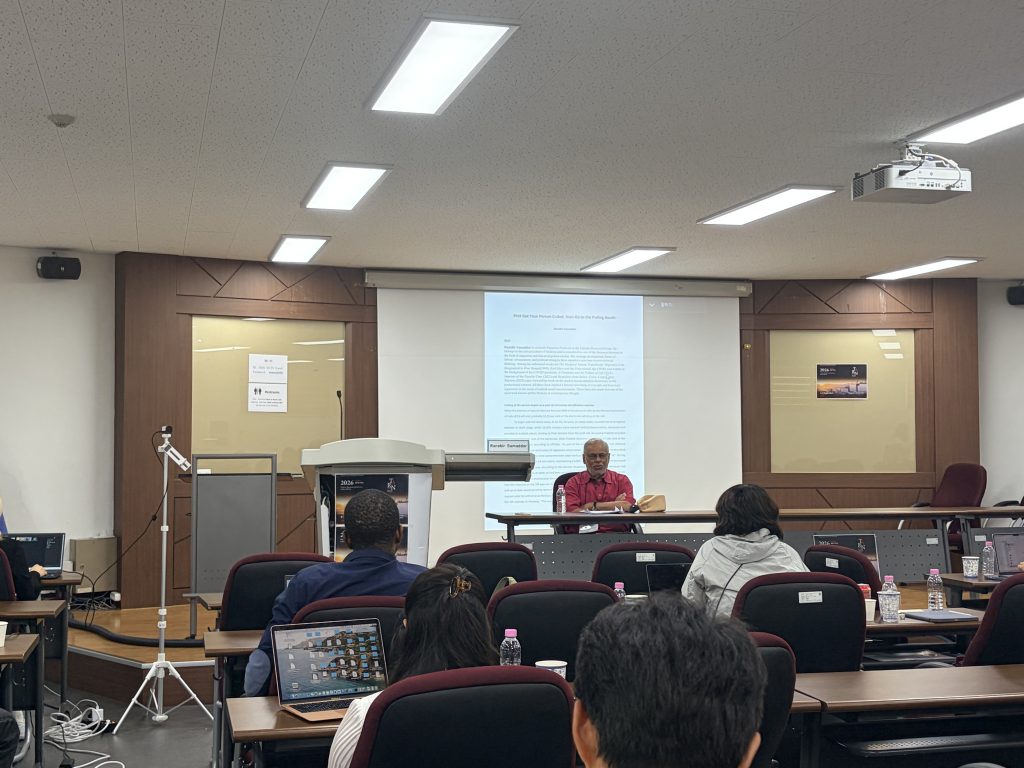
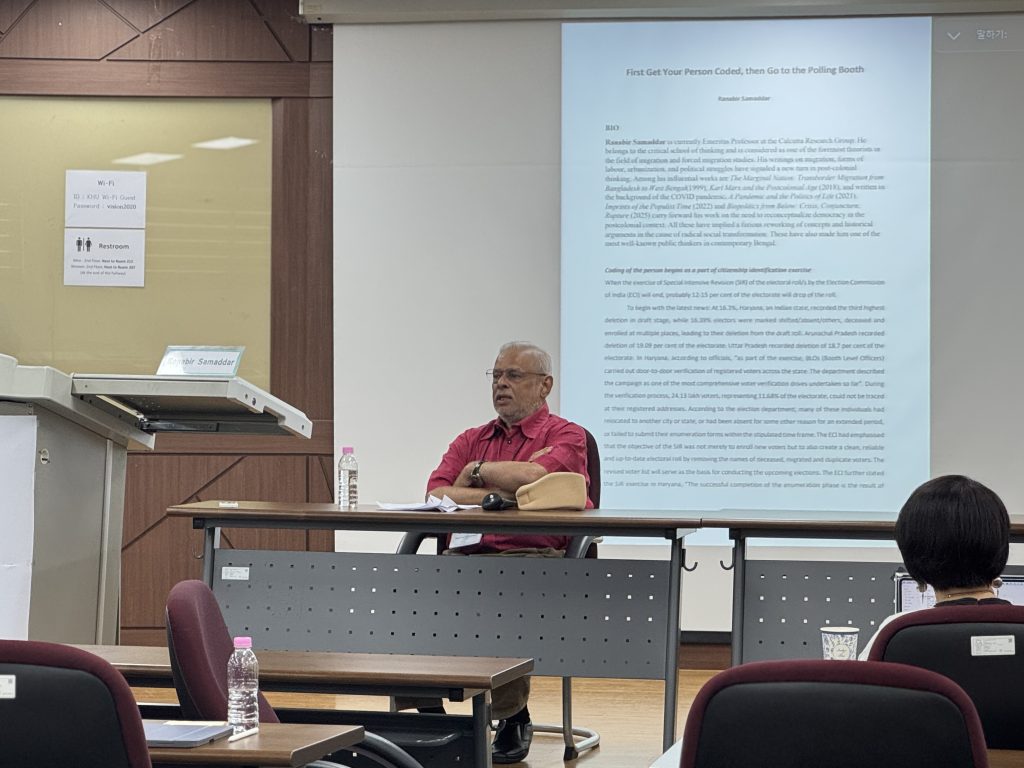
First Get Your Person Coded, then Go to the Polling Booth
Ranabir Samaddar — Emeritus Professor, Calcutta Research Group, India
Codifying the Labouring Body
Sabyasachi Basu Ray Chaudhury (online) — Professor/Head, Department of Political Science, Rabindra Bharati University, India
Biometric Governance and the Securitisation of Rohingya Refugees in India
Monika Verma (online) — MSCA-CZ Postdoctoral Fellow, Myanmar Studies Center, Palacký University in Olomouc, Czech Republic
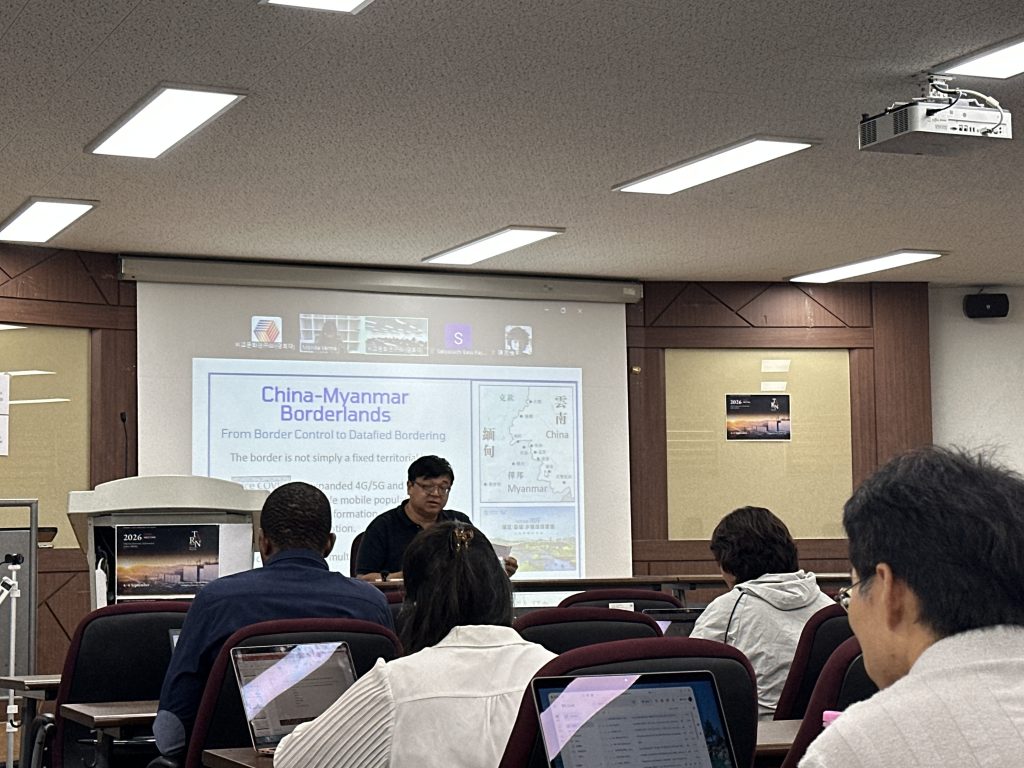
Data Bodies at the Border: Multiscalar Surveillance and Labour Migration in the China–Myanmar Borderlands
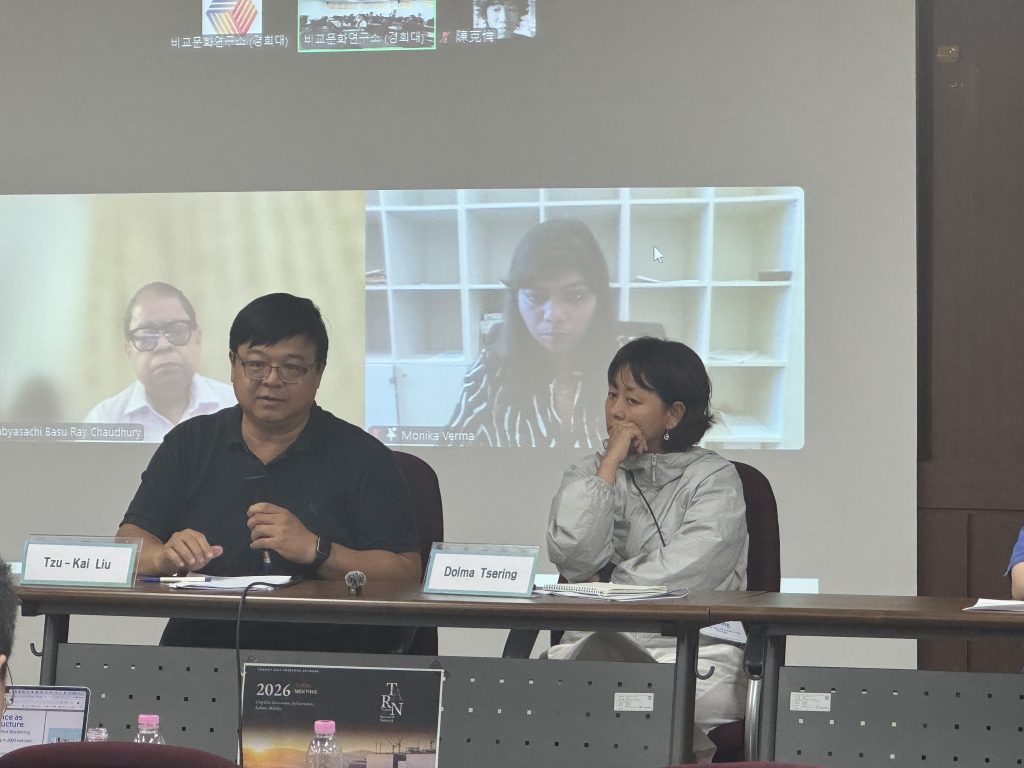
Tzu-kai Liu — Assistant Professor, Department of Ethnology, National Chengchi University
Enclosing the Living Commons: Digital Surveillance, Immobilized Bodies, and China's Containment of Tibetan Culture and Political Resistance
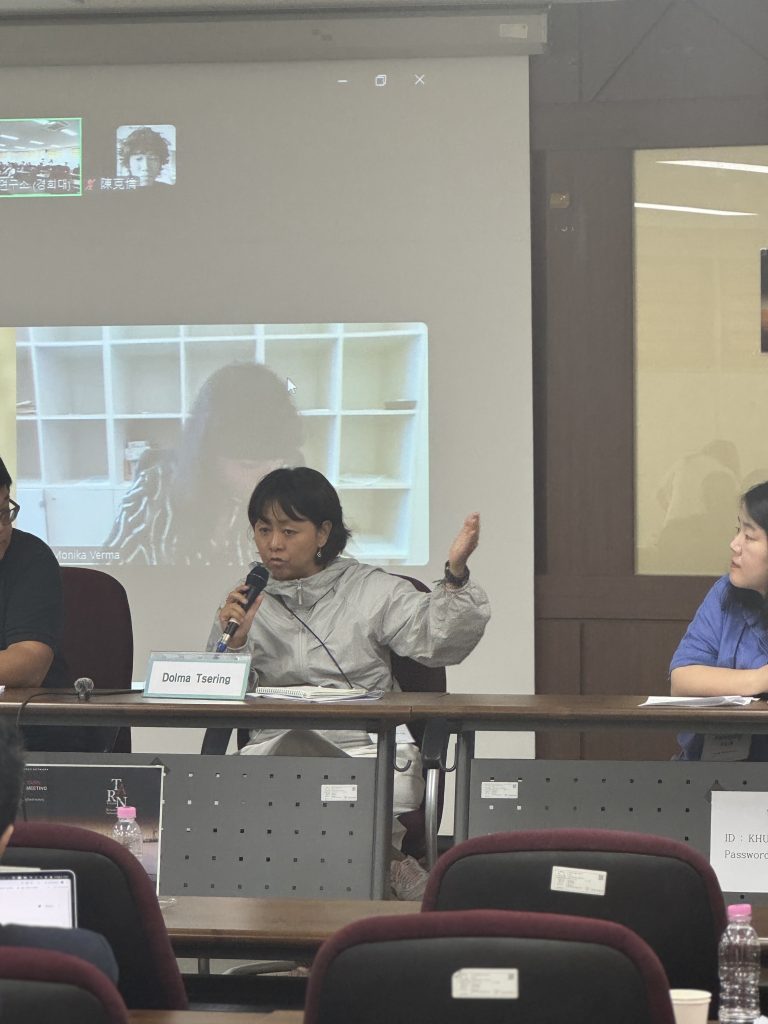
Dolma Tsering — Postdoctoral Fellow, ICCS, NYCU, Taiwan
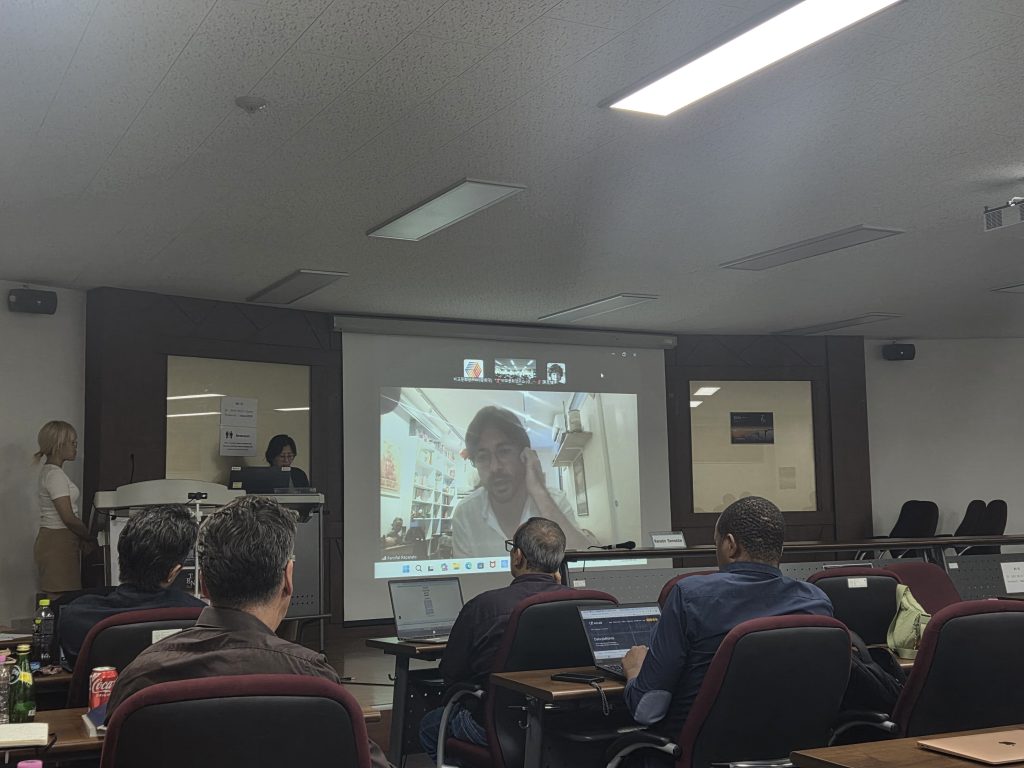
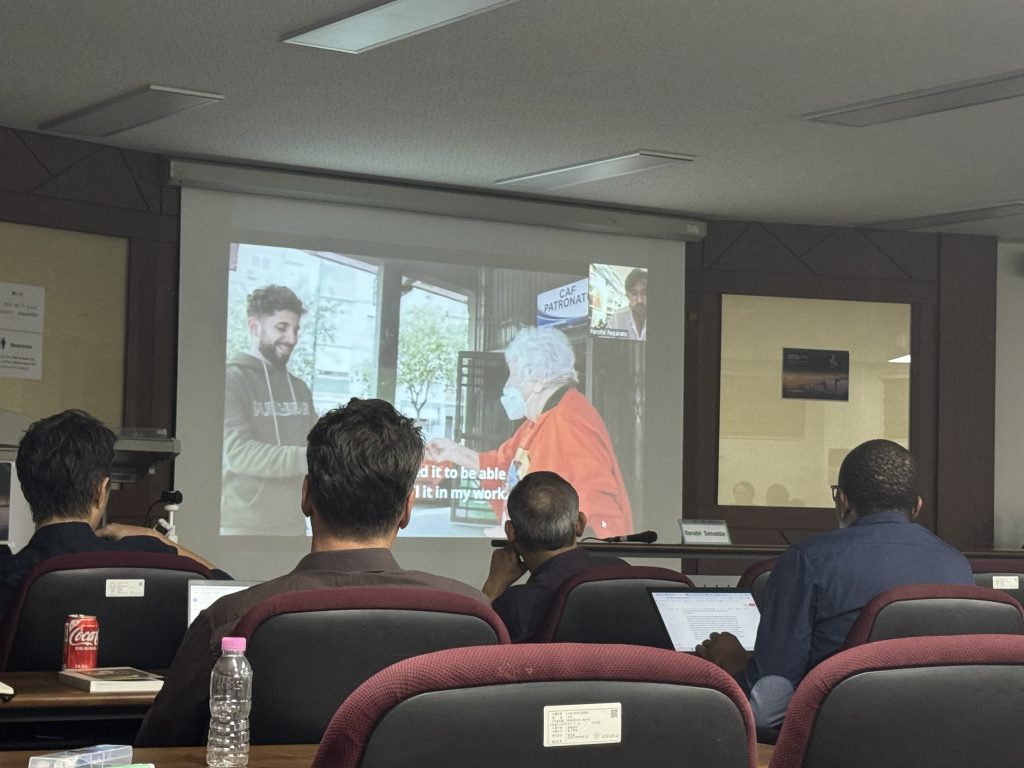
Antropica Projects: Silicon Wounds / Ecomuseum
Parsifal Reparato (online) — Freelance Journalist/Filmmaker
Forum — City as the Southern Question
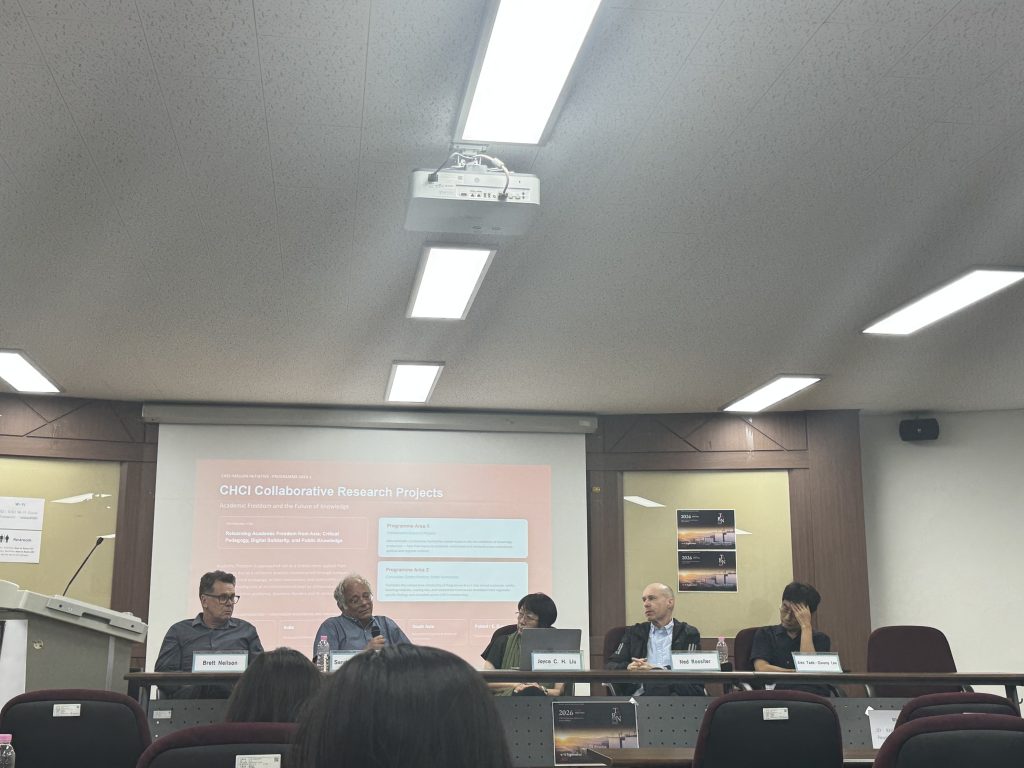
Ranabir Samaddar · Sandro Mezzadra — Professor, University of Bologna · Joyce C. H. Liu · Brett Neilson · Ned Rossiter — Professor, ICS, WSU, Australia
General Discussion — After-Hours Mixer
Geopolitics of the Semiconductor Industry and Rare Earth Mining in India
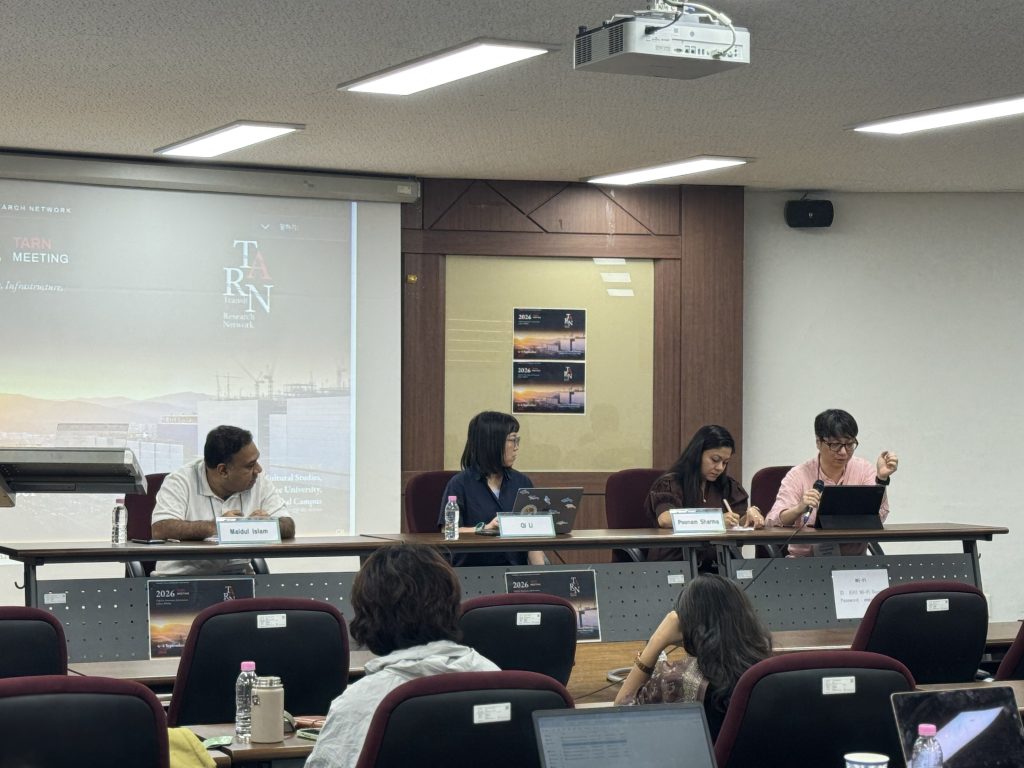
Maidul Islam — Professor, Centre for Studies in Social Sciences, India
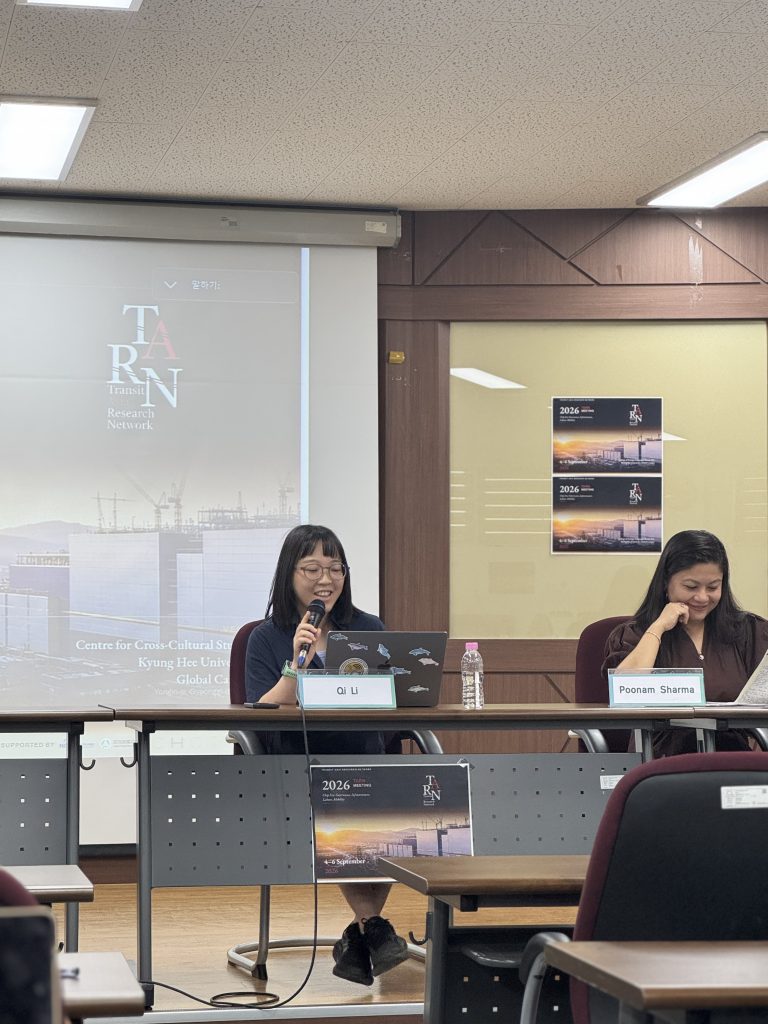
Dispossession and Speculative Future in Taipei's Technopolis
Qi Li — PhD Candidate, ICCS, NYCU, Taiwan
The Labor Conditions of Skilled Migrant Workers in Taiwan's Silicon Valley
Poonam Sharma — PhD, SRCS, NYCU, Taiwan
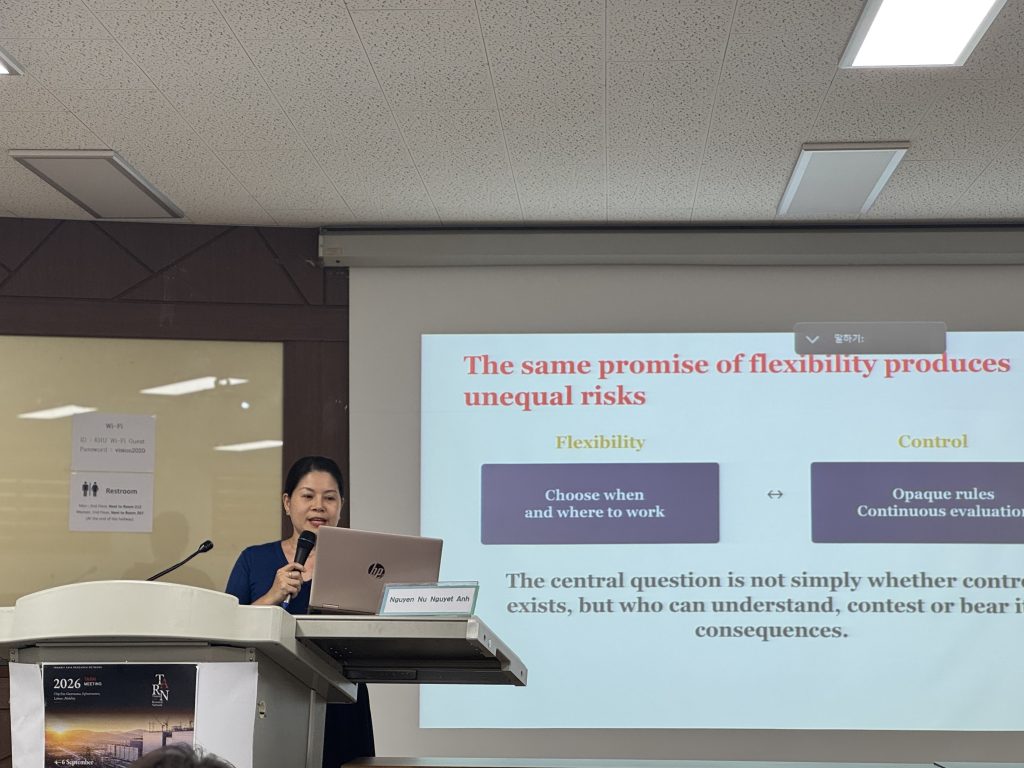
Uniform Algorithms, Intersectional Precarity: The Matrix of Platform Labour Control in Vietnam
Nguyen Nu Nguyet Anh — Professor/Vice Dean, Faculty of Social Work, Anthropology, and Sociology, USSH, VNU-HCM, Vietnam · Nguyen Thi Thanh Binh — PhD Student, Faculty of Social Work, Anthropology, and Sociology, USSH, VNU-HCM, Vietnam
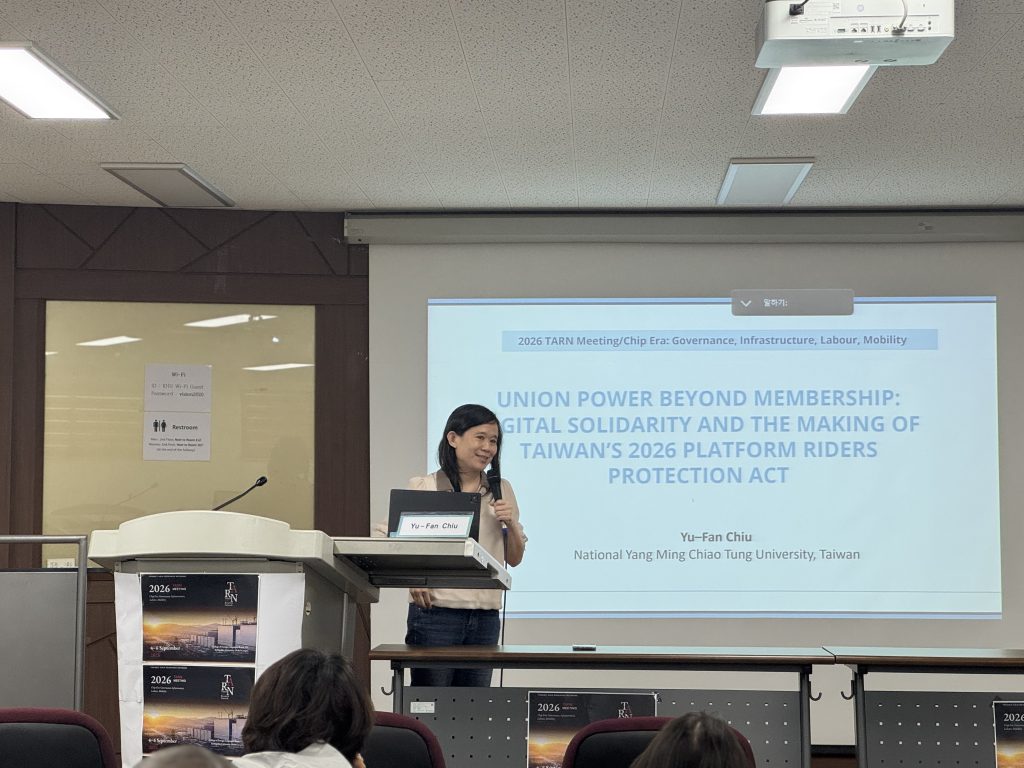
Intersection or Divergence of Labour and Social Protection for Solidarity? An Analysis of the Role of Platform Riders' Unions in Taiwan
Yu-Fan Chiu — Professor, School of Law, NYCU, Taiwan
The Agencies and Solidarities of 'Liminality': Migrant Gig Workers' Tactical Resistance in Hong Kong
Lisa Yuk-ming Leung — Associate Professor, Department of Cultural Studies, Lingnan University, Hong Kong
Platform Power in Motion: Platform Enclosure and Delivery Riders' Organising Capacity in Hong Kong and Taiwan
Ngai Keung Chan — Assistant Professor, School of Journalism and Communication, The Chinese University of Hong Kong
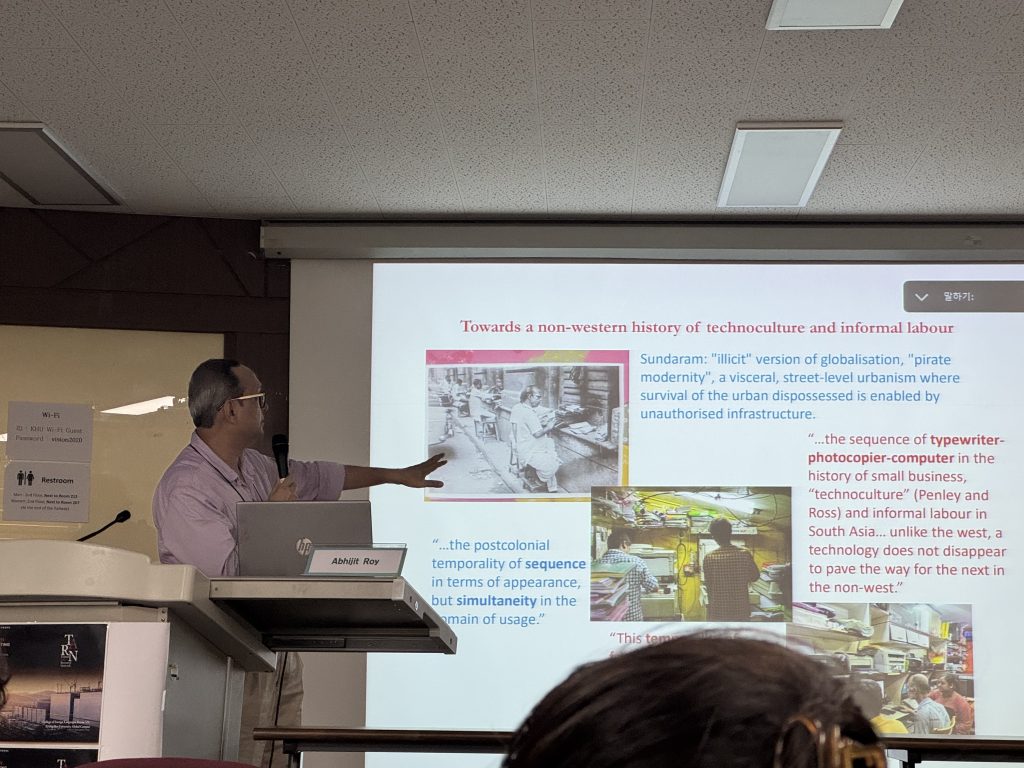
Against Obsolescence: Low-End Digital Work, Labour and Livelihood in a South Asian City
Abhijit Roy — Professor, Jadavpur University / Chair, CRPCS, India
Platform Architecture and the Contestation of Southeast Asian Migrant Stigmatization in Taiwan
Rafal Smoczynski (online) — Associate Professor, Institute of Philosophy and Sociology of the Polish Academy of Sciences
Periodizing the Chip Age in the Multiple Times of the Present
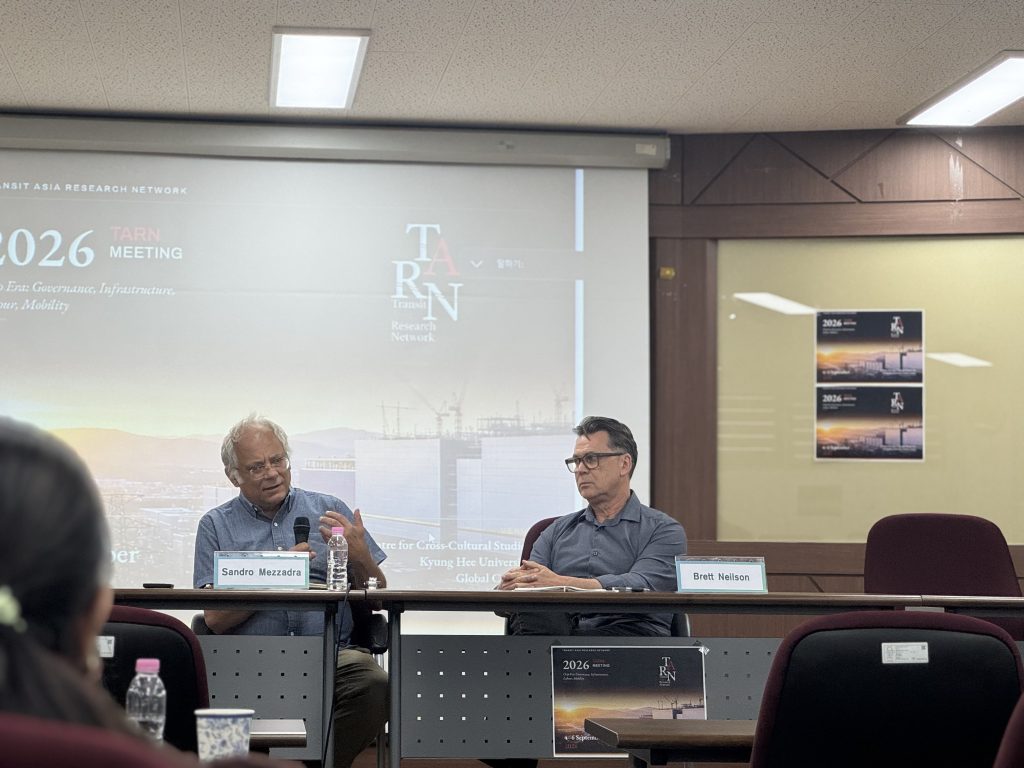
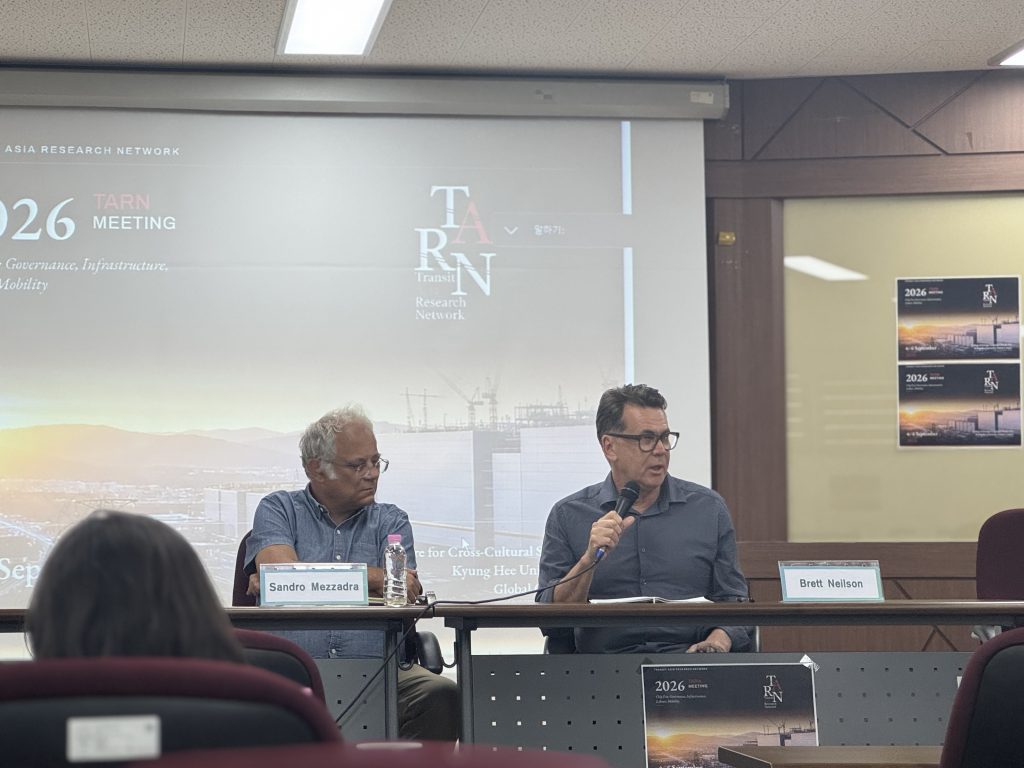
Brett Neilson — Professor, ICS, WSU, Australia · Sandro Mezzadra — Professor, University of Bologna
Silicon Security, Permanent War, and the Logistical Episteme
Ned Rossiter — Professor, ICS, WSU, Australia
Technoscientific Ideology and the Chip Wars: The Political Economy of Planetary Extraction
Alex Taek-Gwang Lee — Professor/Director, CCCS, Kyung Hee University, Korea
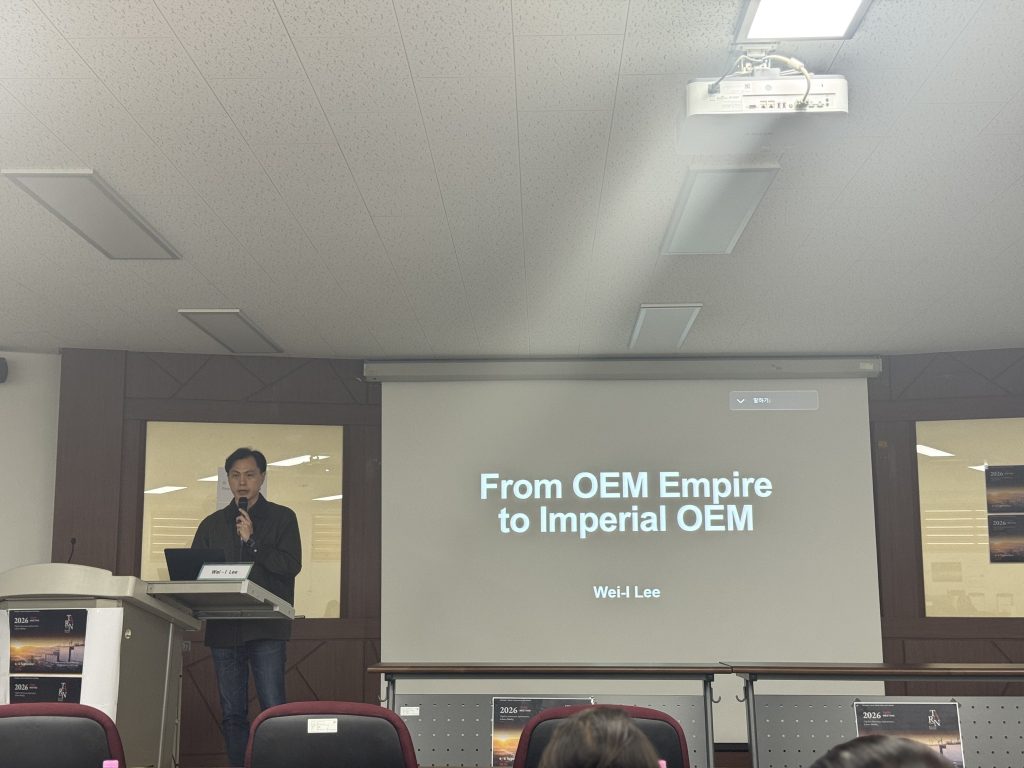
From OEM Empire to Imperial OEM
Wei-I Lee — Chief Editor, Voices of Photography, Taiwan
The Temptation of Legibility in the Chip Era: Homotopic Authoritarianism and Digital Tianxia
Joyce C. H. Liu — Professor/Director, ICCS, NYCU, Taiwan
TARN Progress Report
Ko-Lun Chen — Postdoctoral Fellow/TARN PM, ICCS, NYCU, Taiwan
Discussion and Decisions — TARN Future Project Proposals; CHCI Collaborative Research Projects: Academic Freedom and the Future of Knowledge
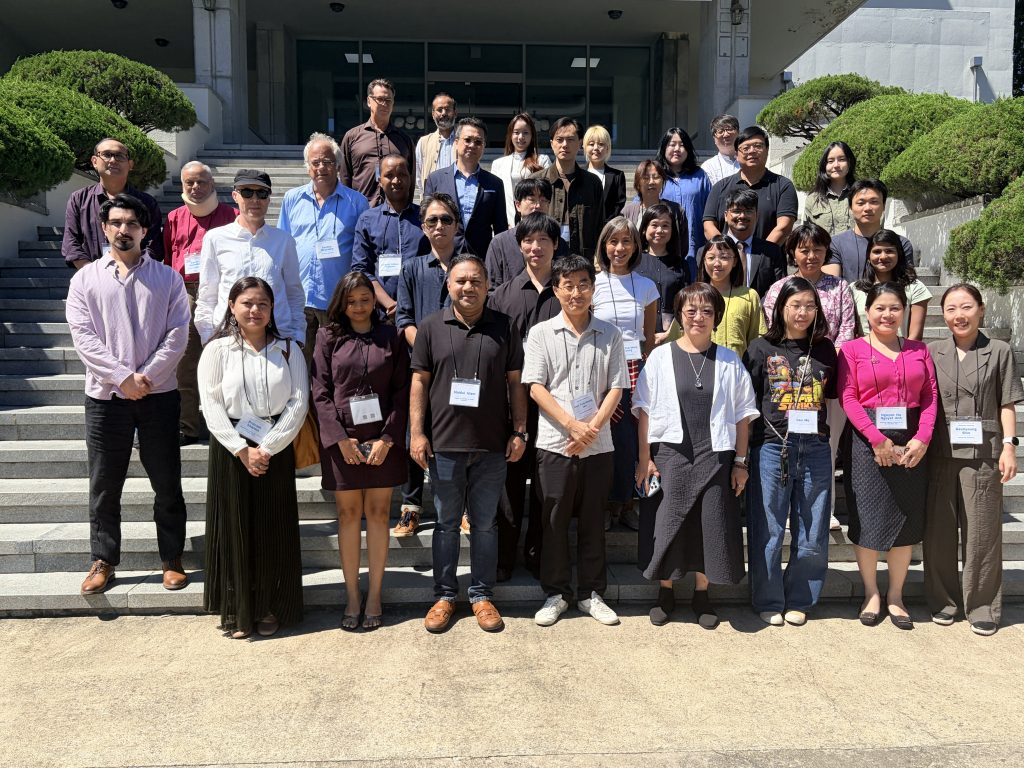
Speakers & Contributors
Participants presenting at the 2026 TARN Meeting.