
Brief
Having established its foundational framework between the 2023 launch and the 2024 meeting on industrial geopolitics, the Transit Asia Research Network (TARN) has intensified its critical interventions throughout 2025. This year, the network rigorously examined semiconductor materiality and digital governance via the ‘Chip Era’ and ‘Critical Concepts’ workshops, laying the intellectual architecture for a comprehensive two-volume enquiry projected for 2027. Most immediately, TARN anticipates the 2026 release of Decolonisation in the 21st Century (Routledge). This forthcoming volume, alongside future initiatives, exemplifies TARN’s commitment to dismantling Eurocentric narratives and fostering resilient, bottom-up solidarities within the Asian sphere.
2025 HIGHLIGHT
The Chip Era and Digital Governance
Joint-Project Workshop
13–15 November 2025 | National Yang Ming Chiao Tung University, Hsinchu, Taiwan
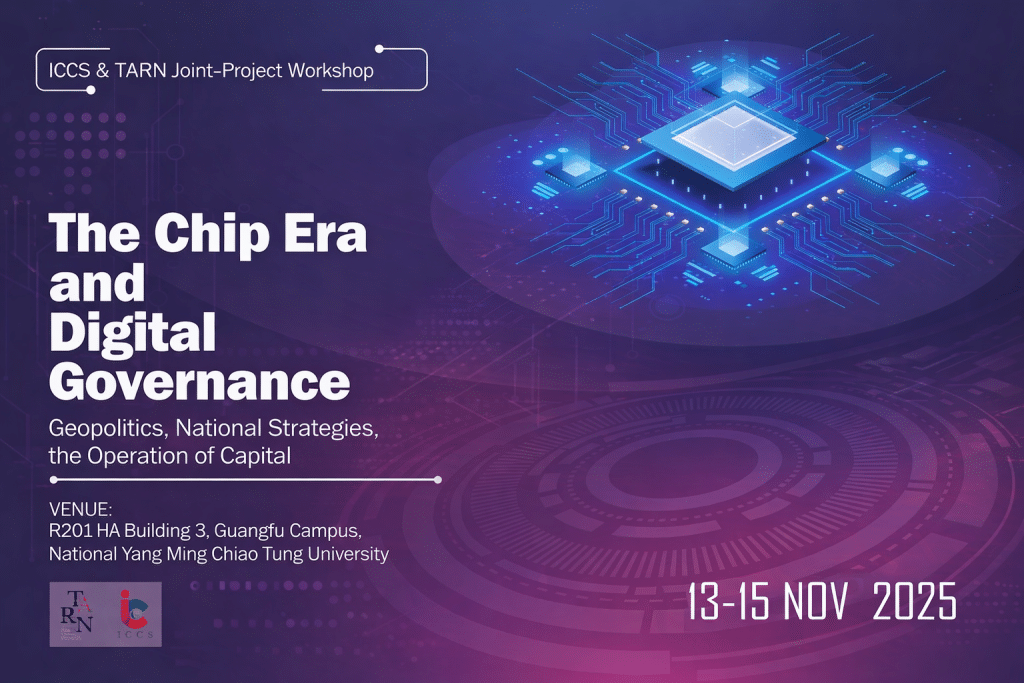
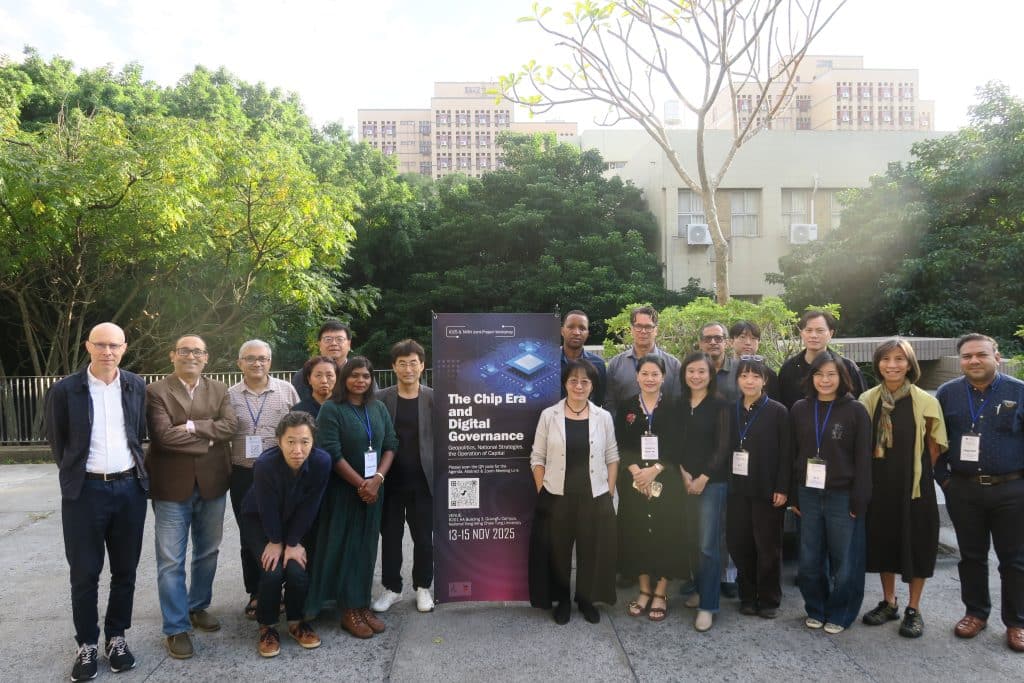
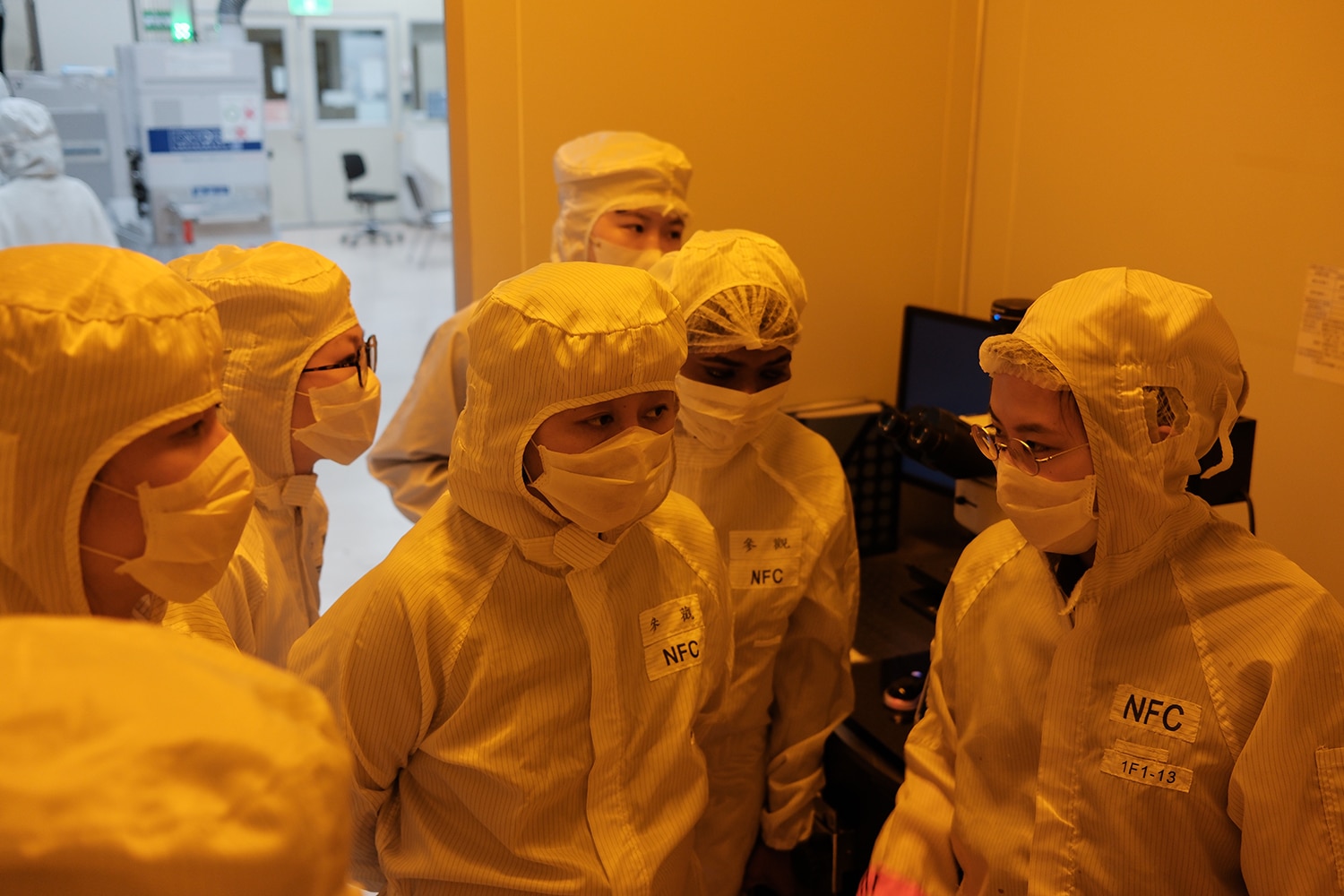
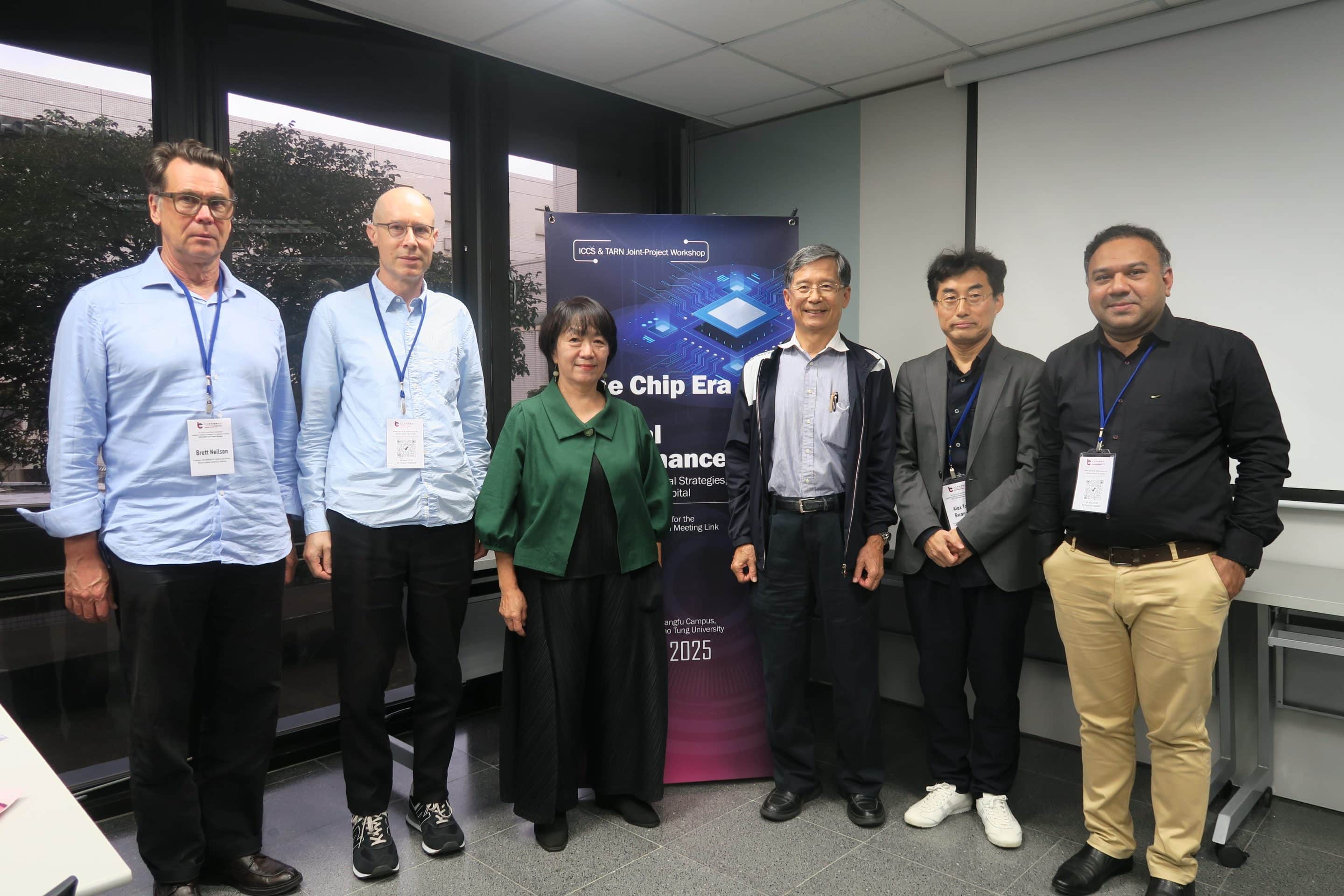
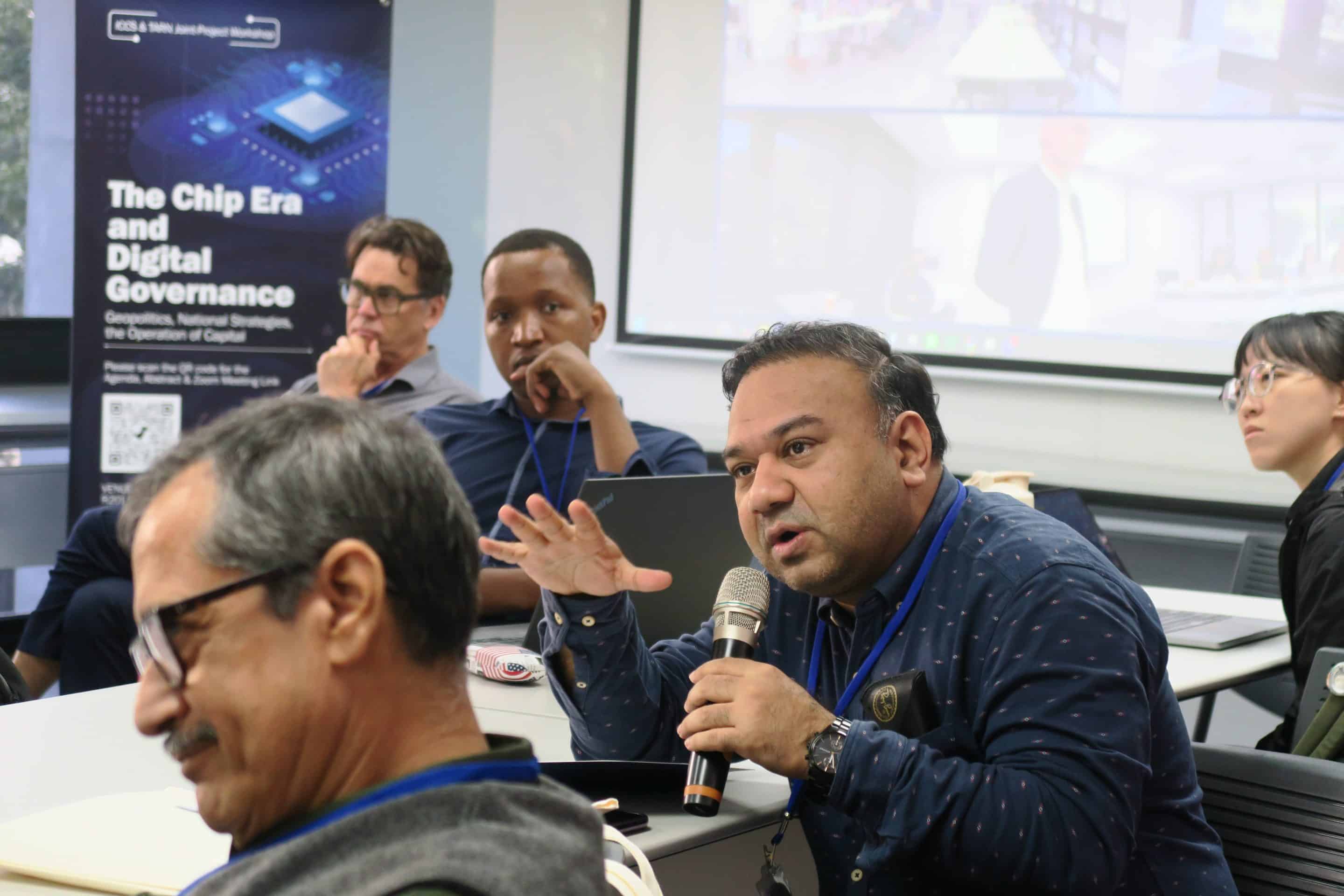
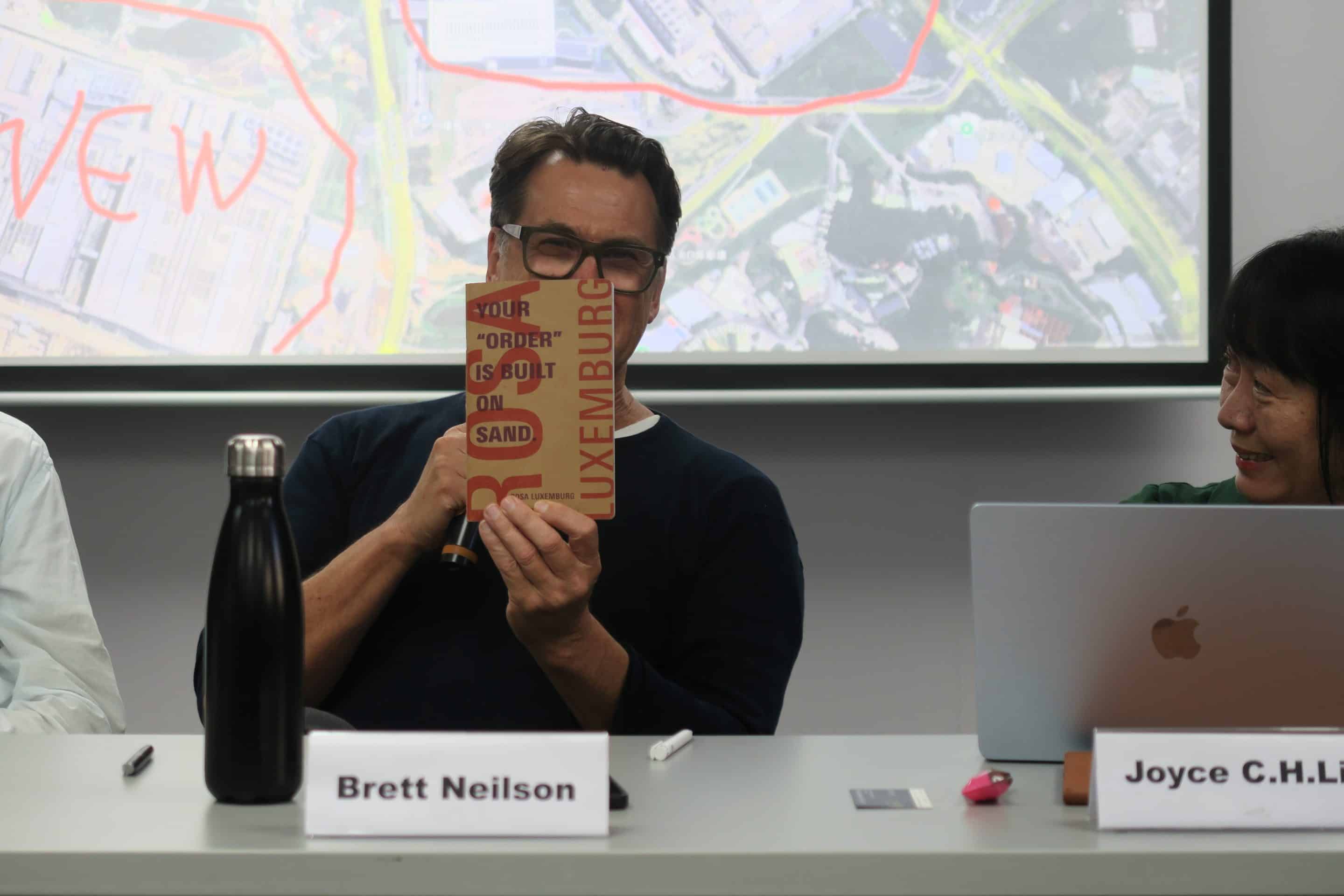
On 13–15 November 2025, the International Center for Culture Studies (ICCS) at National Yang Ming Chiao Tung University (NYCU) and the Trans-Asia Research Network (TARN) convened The Chip Era and Digital Governance workshop. Held in Hsinchu, the global nexus of semiconductor manufacturing, the event marked a critical juncture in a transnational research initiative designed to interrogate the material foundations of the contemporary world order. Crucially, the programme grounded high-level theory in industrial reality through strategically timed field visits. The workshop commenced with a tour of the Nano Facility Center at NYCU, which immediately preceded a special address by Jack Sun, former CTO of TSMC. Sun’s technical and strategic insights provided a vital industrial context for the academic debates that followed. This engagement with the physical infrastructure of the “chip era” concluded on the final day with a separate visit to the TSMC Innovation Museum, further immersing scholars in the logistical complexities that underpin the digital economy.
The primary objective of this gathering was to rigorously refine the intellectual architecture for a two-volume publication, projected for release in 2027. Reflecting the TARN mission to foster critical Asian scholarship, the project deploys a “state–power–capital” topology to challenge Eurocentric narratives, examining how the chip—as an infrastructure of power—is restructuring the classical Foucauldian triad of security, territory, and population. The discussions successfully consolidated the scope of the forthcoming volumes: Volume I will address the apparatuses of governmentality and the “Digital Silk Road,” while Volume II will investigate the techno-political economy of supply chains and labour precarity. By synthesizing these perspectives, the project aims to produce the first integrated framework linking semiconductor materiality to the reorganisation of global modernity, revealing both the new mechanisms of digital governance and the resilient, bottom-up solidarities emerging to contest them.
CHCI Initiative
Critical Reorientation in the Age of Digital Technology:
Intersections between
Human Craft, Geopolitics, & Artistic Intervention
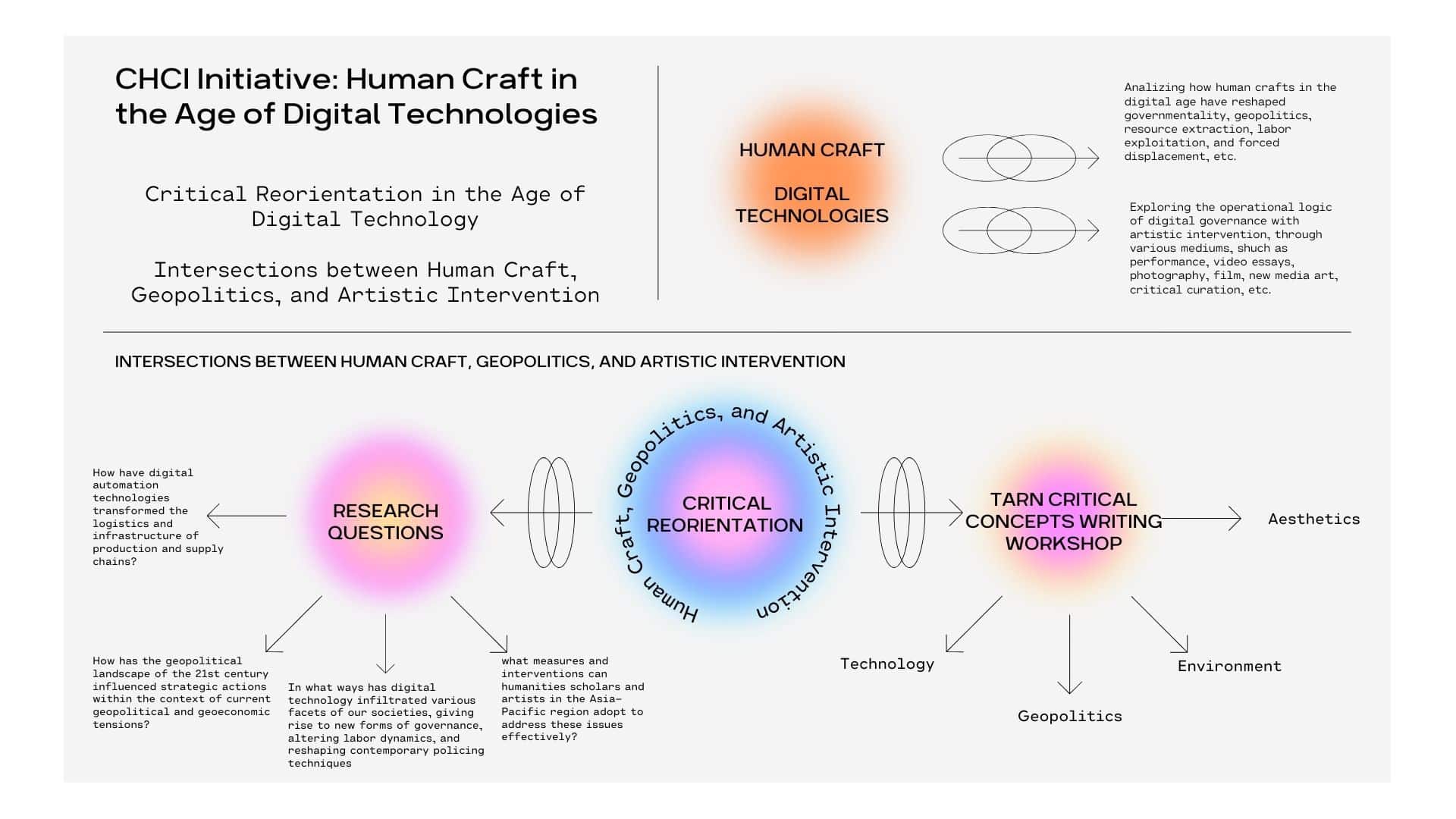
As part of the CHCI Initiative: Human Craft in the Age of Digital Technologies , the project is led by senior TARN members, Joyce C. H. Liu (ICCS-NYCU), Brett Nielson(ICS-WSU), Ned Rossiter (ICS-WSU) and Karin Oen-Lee (CCA-NTU).
The project interrogates the interplay of technology, politics, and art. Framing “craft” as strength, skill, and power, it explores how digital-era practices reshape governance, geopolitics, resource extraction, labour, and displacement. Through performance, video essays, film, photography, and critical curation, the project examines both the transformative impact of digital technologies on human agency and the capacity of artistic interventions to expose and challenge the operational logics of digital governance and socio-environmental crises.
LAUNCH EVENT
Critical Concepts Writing Workshop
24–26 April 2025
Nanyang Technological University
Centre for Contemporary Art Singapore (NTU CCA Singapore)
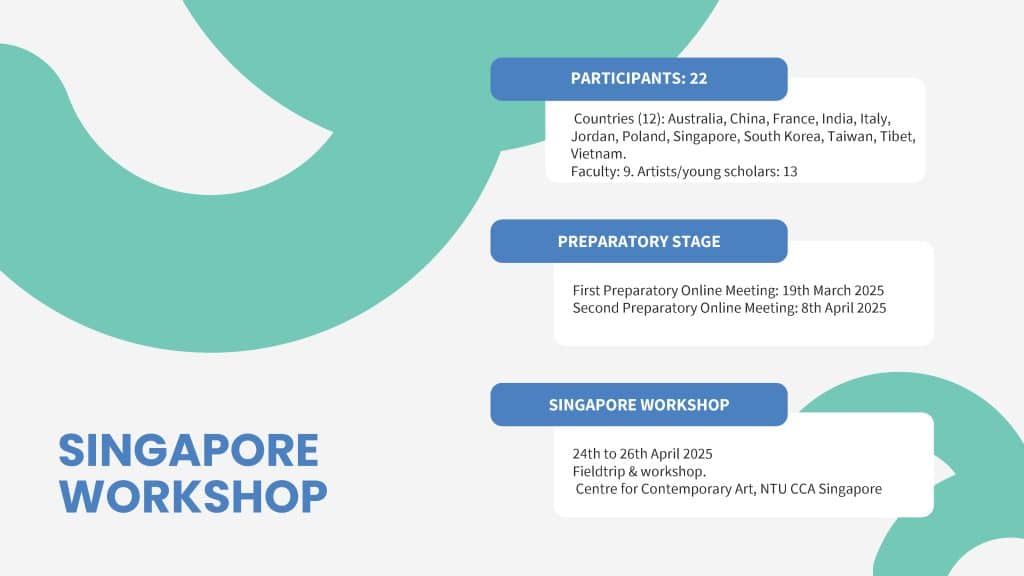
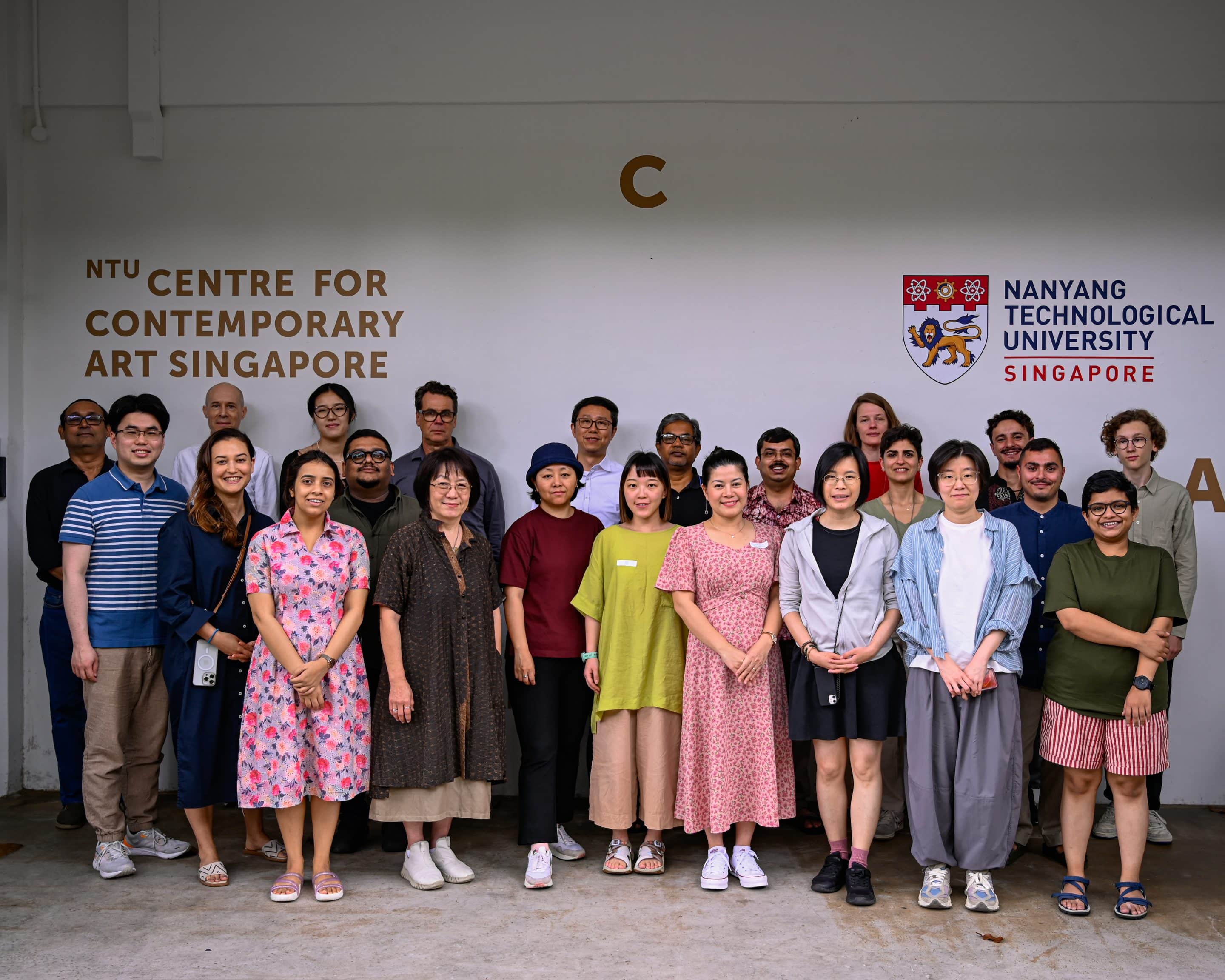
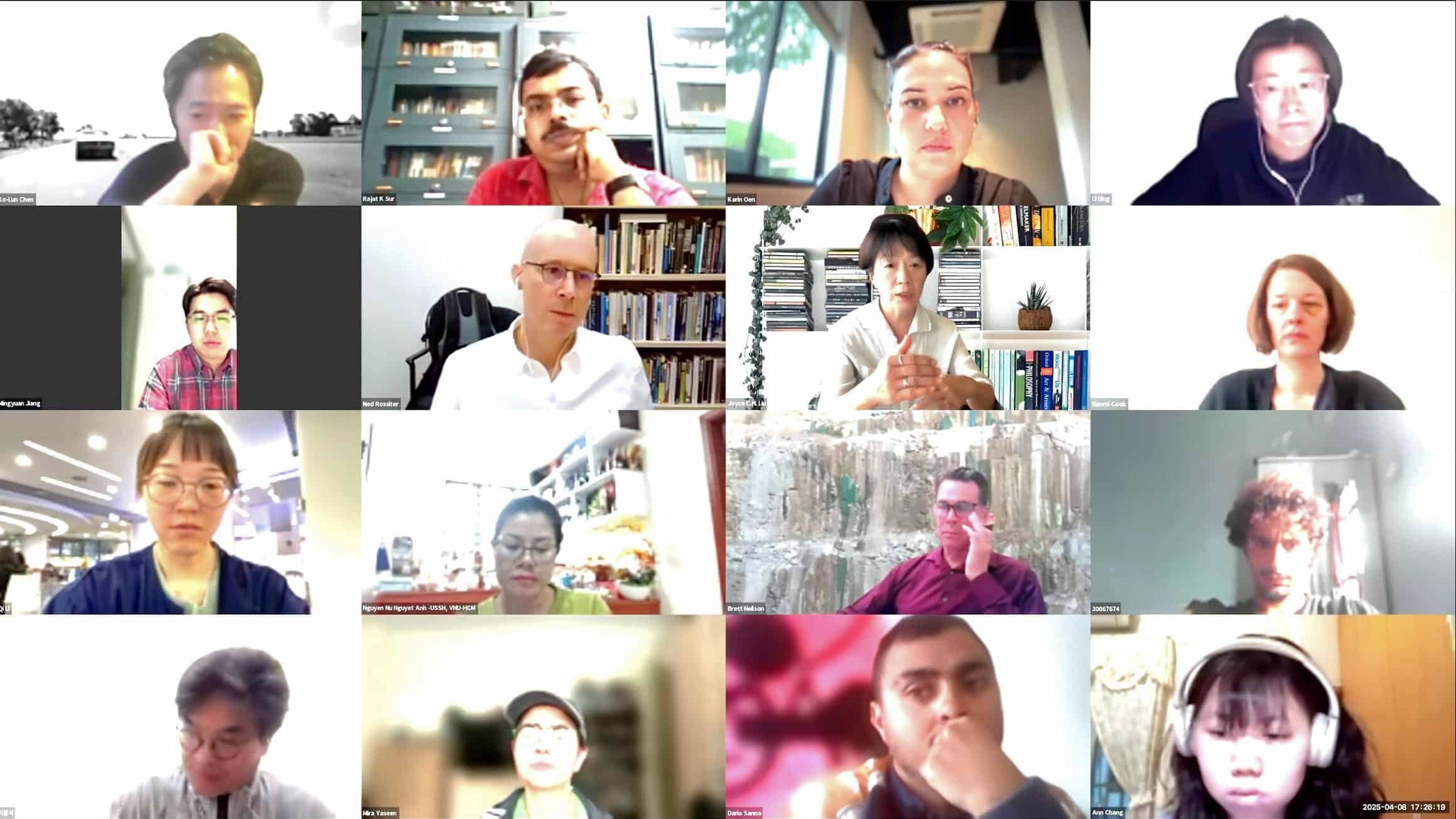
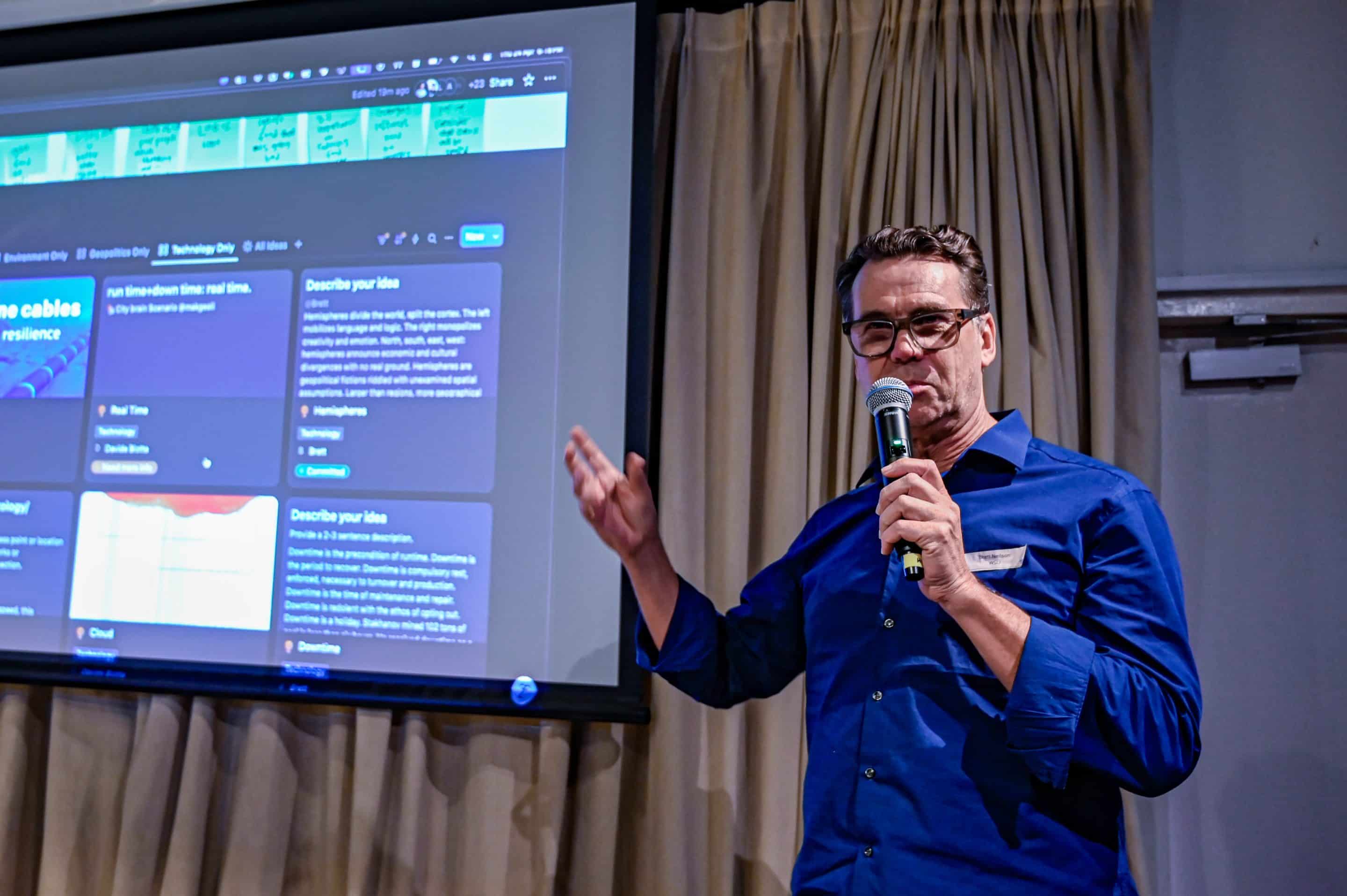
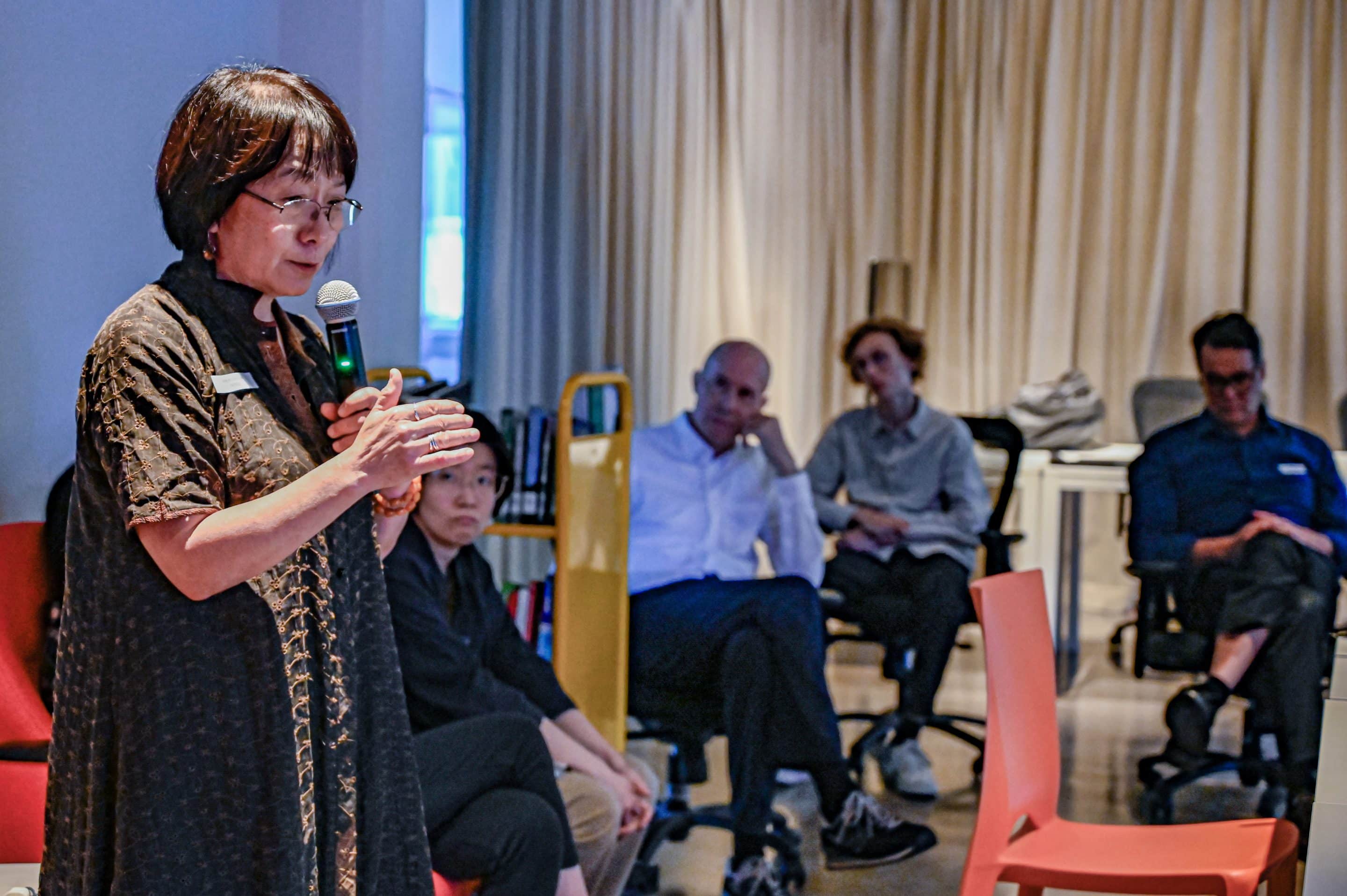
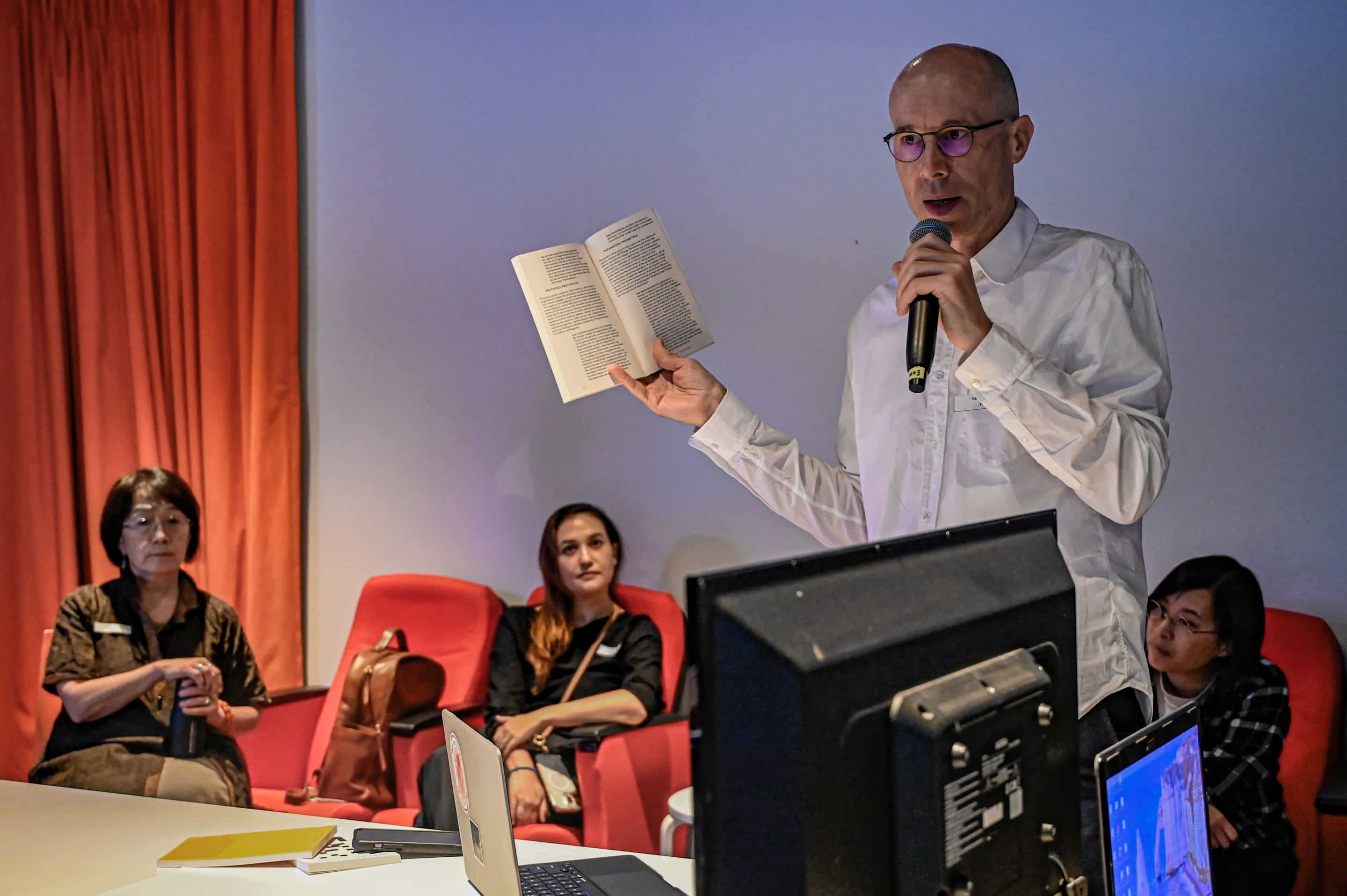
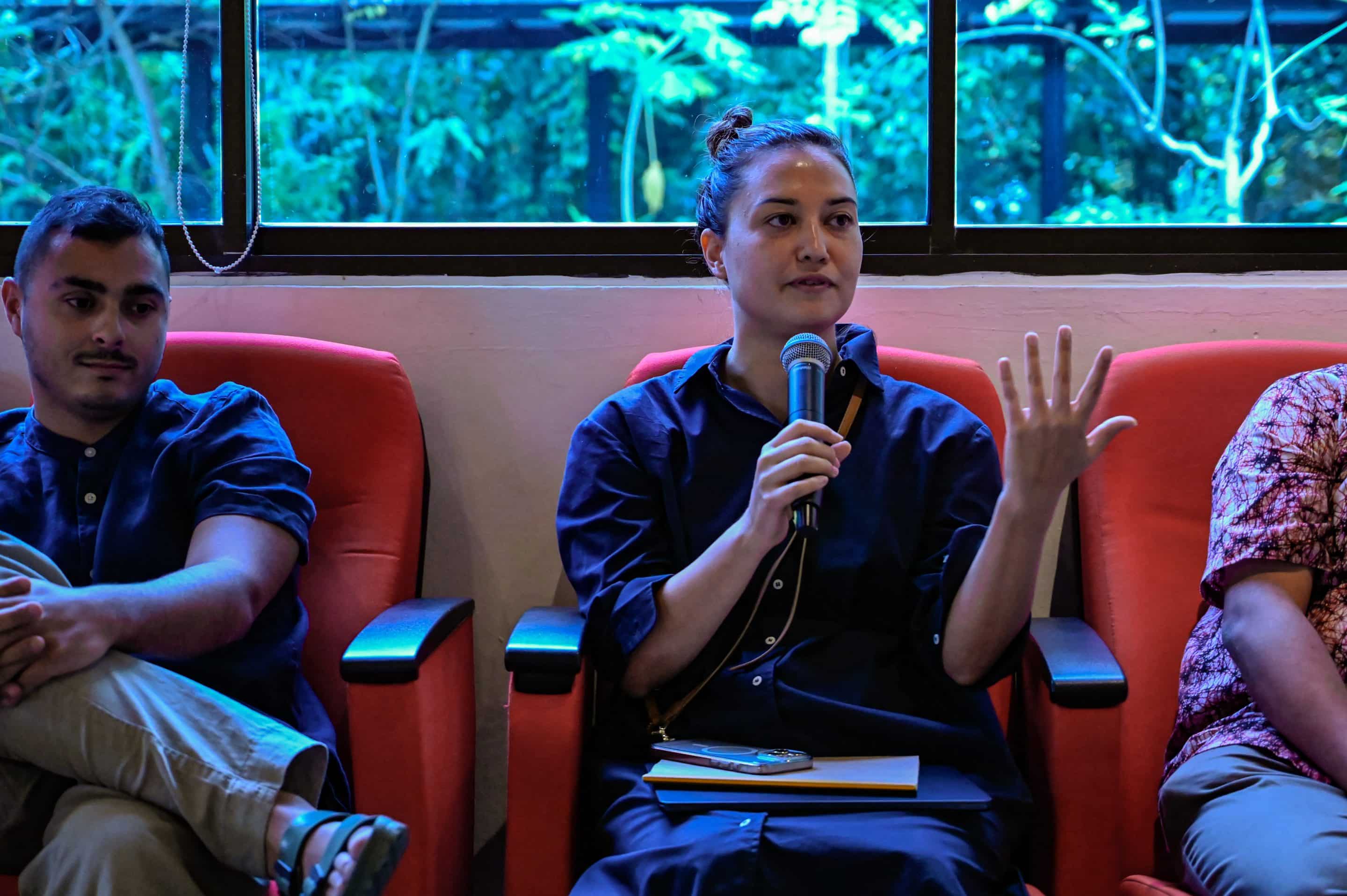
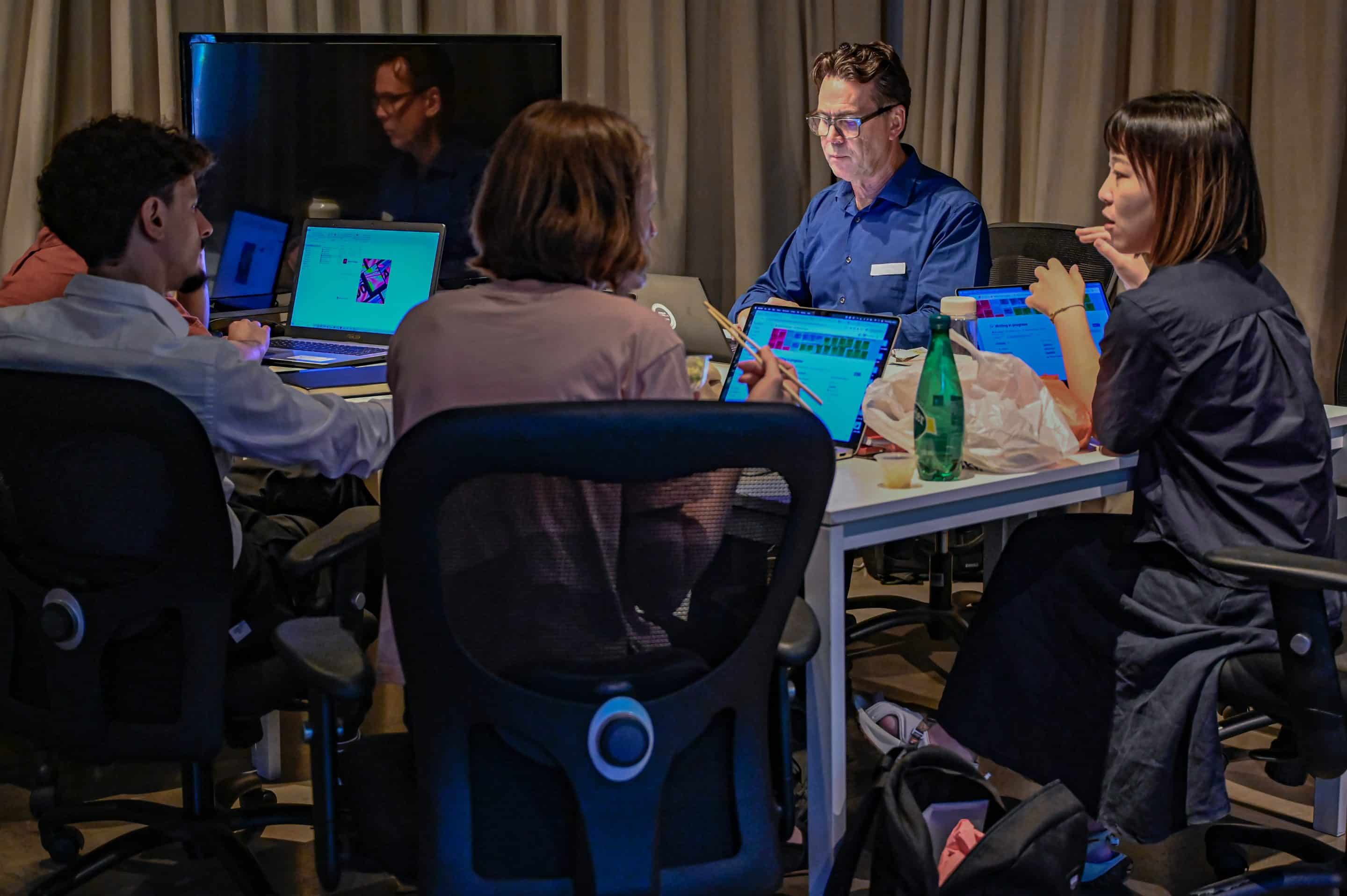
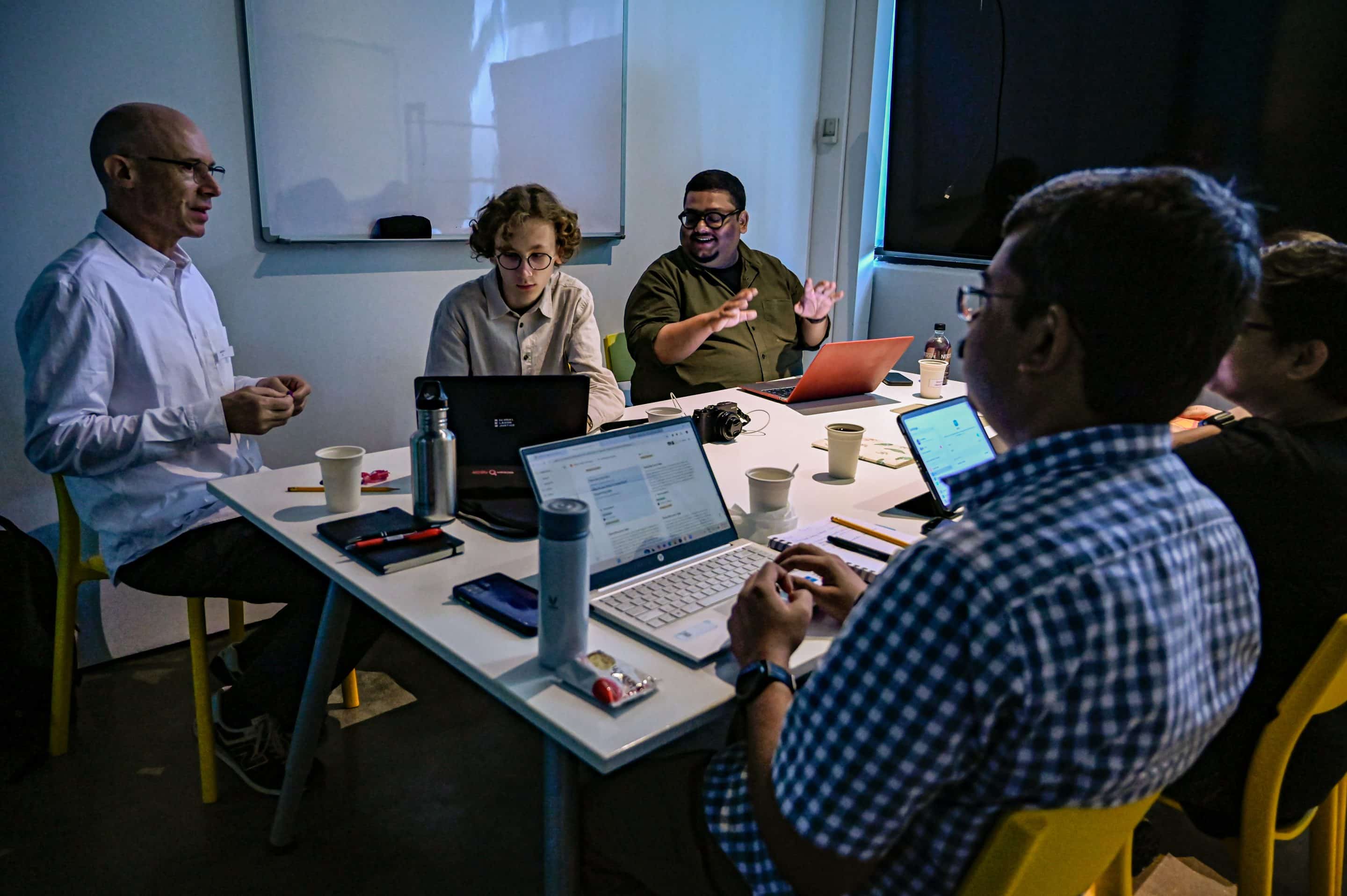
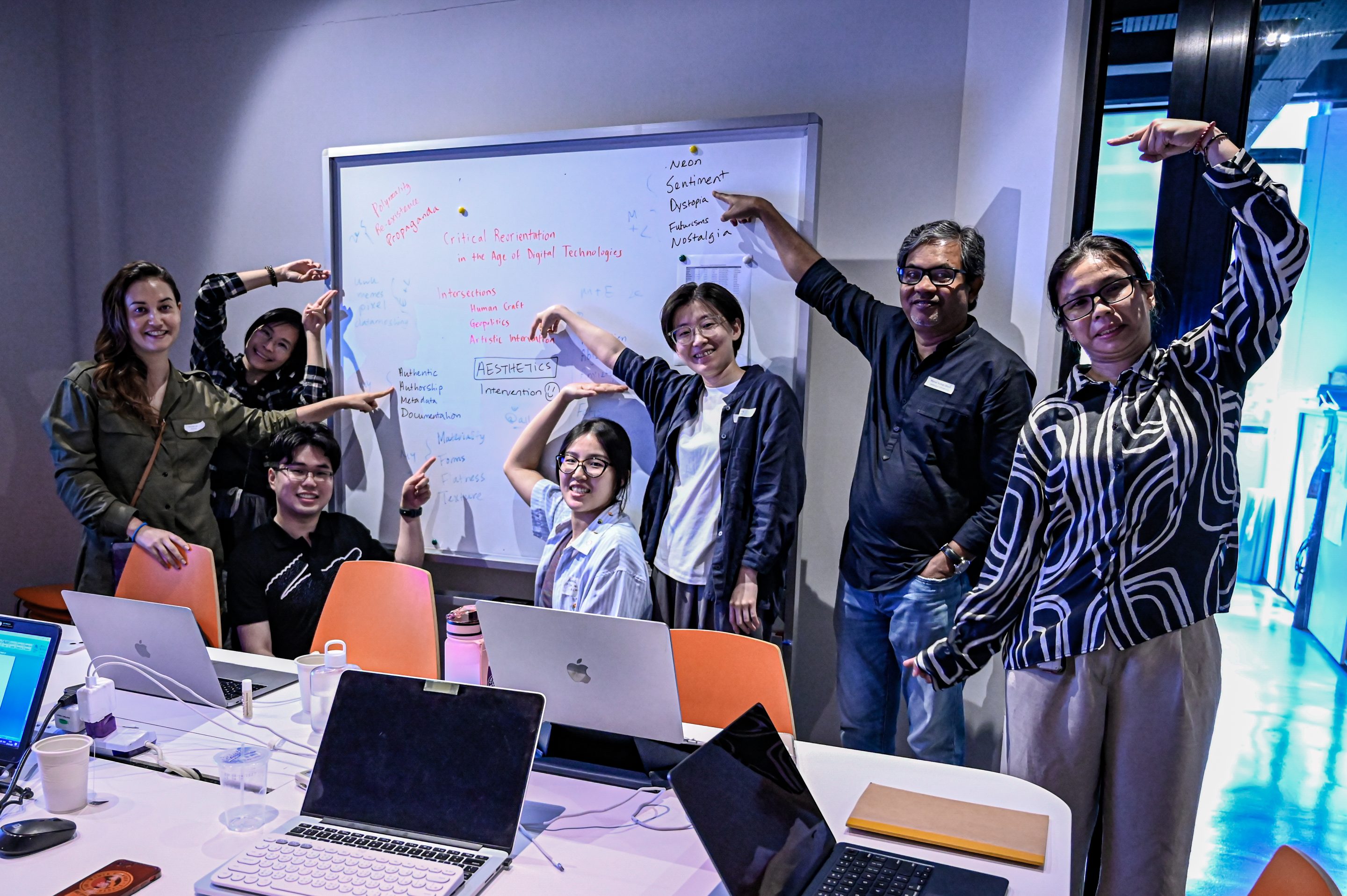
The Critical Concepts Writing Workshop is a key event within the project. The Workshop invites 22 senior and early-career researchers to develop a book of 100 critical concepts collaboratively. Preparatory online meetings will be held before the workshop in Singapore to set up the collective writing.
During the on-site Workshop, participants will engage in “book sprints” to produce interdisciplinary entries in text, images, drawings, and code, fostering alternative knowledge production and experimental approaches to conceptualisation.
The Project is initiating two parallel processes:
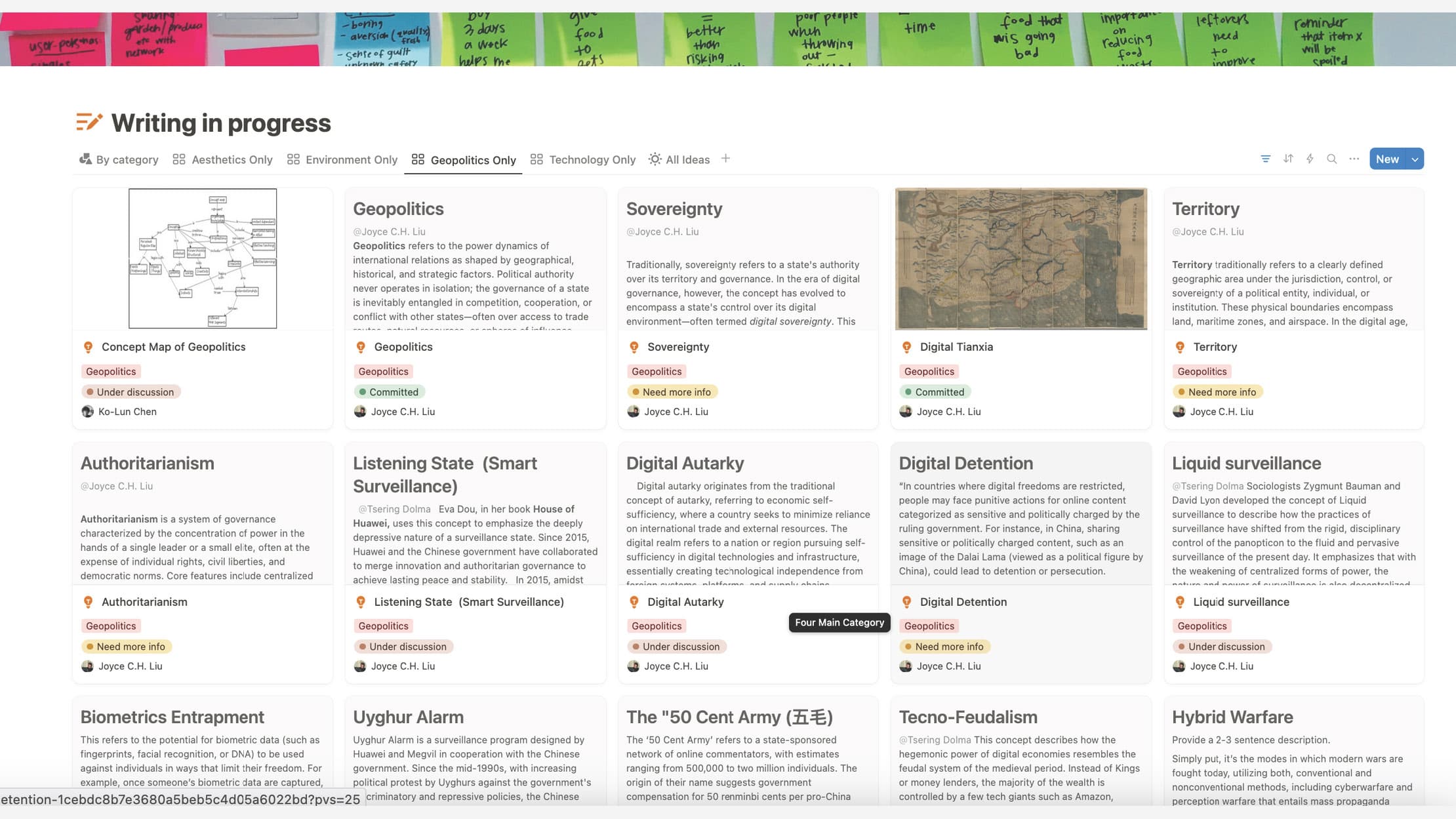
- Critical Concepts Writing Workshop & Booklet
- Visual & Multimedia Experimentation for Web Presentation

FORTHCOMING VOLUME(2026)
Decolonization in the 21st Century:
Rethinking Coloniality, Resistance & Solidarity
Publisher: Routledge
Series: Interventions
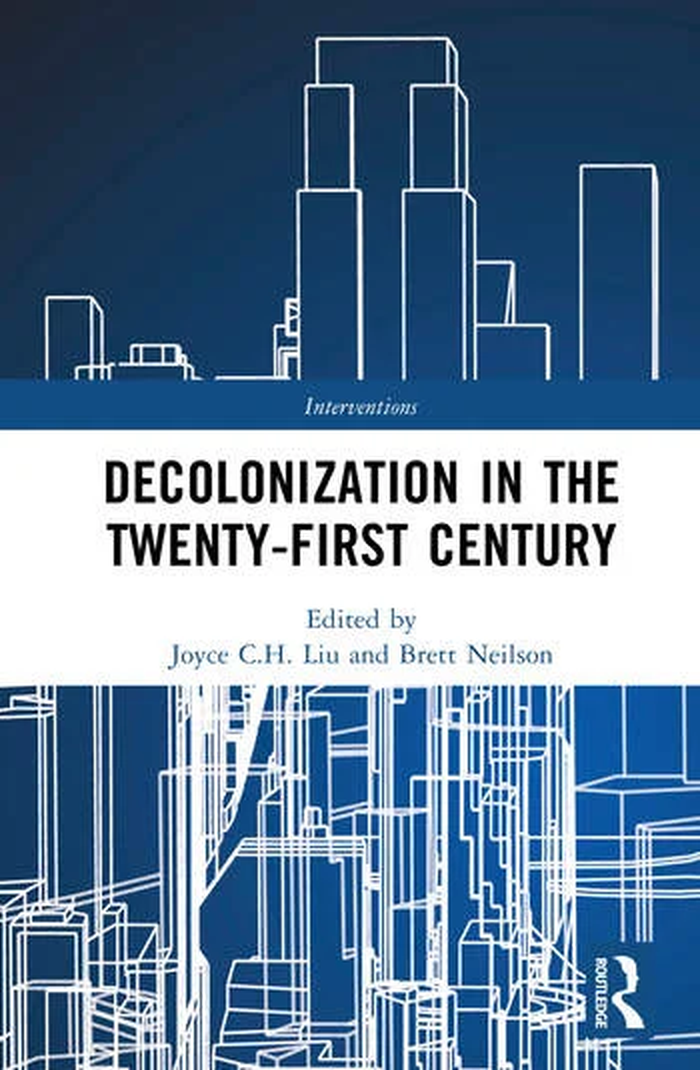
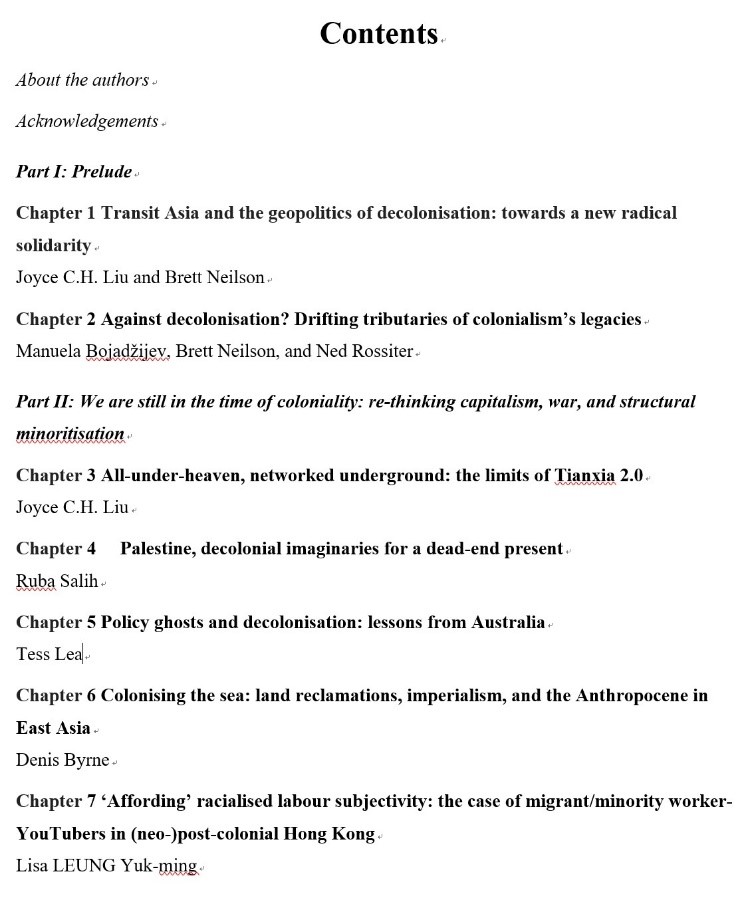
Edited by Joyce C.H. Liu and Brett Neilson, Decolonization in the 21st Century critically interrogates the persistence and mutation of colonial logics amidst rising global inequality and geopolitical friction. Moving beyond the mid-20th-century framework of national independence, the volume reconceptualises decolonisation as an ongoing struggle against contemporary architectures of domination.
Amid rising global inequality, intensifying geopolitical frictions, and the renewed force of colonial logics, this volume offers a critical interrogation of coloniality, decolonial practices, global capitalism, and the technologies of governance that entrench social and environmental injustice.
Bringing together leading scholars from across disciplines and regions, the book traverses a wide range of contemporary terrains—from digital governance and platform capitalism to gig economies, migrant labor, and the racialized violence of displacement. Contributors unpack the historical roots and systemic architectures of domination while foregrounding situated efforts of resistance and decolonial praxis.
Through incisive analysis and engaged scholarship, the volume challenges the institutional and ideological exclusions that continue to shape our world, offering compelling insights into how decolonisation might be reimagined as both critique and struggle in the twenty-first century.